- These Are Not Your Ordinary Pancakes: Tender, Creamy, and Surprisingly Easy to Make
- Why These Pancakes Are Different
- Ingredients You Will Need
- Choosing the Right Flour
- Why Eggs Matter
- Milk for a Tender Texture
- How to Make These Pancakes
- Step 1: Prepare the Batter
- Step 2: Check the Consistency
- Step 3: Let the Batter Rest
- Step 4: Heat the Pan
- Step 5: Cook the Pancakes
- The Secret to Soft and Tender Pancakes
- How to Tell When a Pancake Is Ready to Flip
- Common Mistakes to Avoid
- Adding Too Much Flour
- Overmixing the Batter
- Using Excessive Heat
- Making Every Pancake Too Large
- Using Too Much Butter or Oil
- What Makes the Texture So Appealing?
- Sweet Topping Ideas
- A Fresh Fruit Version
- A Chocolate Lover’s Version
- Can You Make Them Savory?
- How to Keep Pancakes Warm
- Can You Prepare the Batter in Advance?
- How to Store Leftover Pancakes
- Can You Freeze Them?
- How to Make the Recipe More Flavorful
- The Best Pan for Pancakes
- Why Homemade Pancakes Are Worth Making
- Frequently Asked Questions
- Can I use plant-based milk?
- Why are my pancakes tearing?
- Why are my pancakes dry?
- Can I make them without vanilla?
- Can I reduce the sugar?
- Can I make the pancakes thinner?
- Can I make them thicker?
- Tips for Perfect Results Every Time
- A Simple Breakfast That Feels Special
- Final Thoughts
- Wikipedia Links for Common Kitchen Ingredients
- Recommended Recipes

These Are Not Your Ordinary Pancakes: Tender, Creamy, and Surprisingly Easy to Make
There are pancakes, and then there are pancakes that make everyone at the table stop and ask for the recipe. If you are looking for something a little different from the usual breakfast stack, these are not your ordinary pancakes. They are wonderfully tender, soft in the center, lightly golden around the edges, and have a deliciously creamy texture that makes every bite feel special.
The best part is that you do not need complicated ingredients, expensive equipment, or advanced cooking skills to make them. With a few simple pantry staples and a little attention to the cooking process, you can prepare a breakfast that looks impressive while remaining wonderfully easy.
These pancakes are perfect for slow weekend mornings, family breakfasts, brunch with friends, or simply whenever you want something comforting and homemade. They can be served sweet or adapted with different toppings, which makes them remarkably versatile.
Why These Pancakes Are Different
Traditional pancakes are usually known for being fluffy and slightly thick, while classic crêpes are thin and delicate. This recipe sits somewhere in between. The result is a pancake with a soft, tender texture and a pleasant creaminess that makes it especially enjoyable while still being easy to prepare.
One of the secrets is the consistency of the batter. It should be smooth and fluid enough to spread easily in the pan, but not so thin that the pancakes become difficult to handle. Finding this balance helps create pancakes that cook evenly and remain soft rather than dry.
Another important detail is the temperature of the pan. A pan that is too hot can brown the outside before the inside is properly cooked. On the other hand, a pan that is not hot enough may cause the batter to stick or produce pancakes that lack the beautiful golden surface everyone loves.
Once you get these small details right, the recipe becomes remarkably straightforward.
Ingredients You Will Need
The beauty of homemade pancakes is that most of the ingredients are probably already in your kitchen.
For the basic batter, you will generally need:
- All-purpose flour
- Eggs
- Milk
- Sugar
- A small amount of salt
- Butter or neutral oil
- Vanilla extract, if making a sweet version
- Baking powder, depending on the desired texture
The exact quantities can be adjusted according to the number of servings you want to prepare.
Choosing the Right Flour
All-purpose flour is an excellent choice because it creates a tender but stable batter. Avoid adding too much flour, as this can make the pancakes heavy and dense.
It is usually better to add flour gradually and mix just until the batter becomes smooth. Overmixing can also affect the final texture.
Why Eggs Matter
Eggs contribute structure, tenderness, color, and richness. They also help the pancakes hold together when they are flipped.
For the best results, allow the eggs and milk to come closer to room temperature before preparing the batter. This is not absolutely necessary, but it can make mixing easier and produce a more uniform mixture.
Milk for a Tender Texture
Milk provides moisture and richness. Whole milk gives the batter a particularly pleasant texture, but lower-fat milk can also work.
If you want a slightly richer result, part of the milk can be replaced with cream. Just remember that thicker dairy products may require a small adjustment in the amount of flour.
How to Make These Pancakes
Making these pancakes is simple, but taking your time during each stage will make a noticeable difference.
Step 1: Prepare the Batter
Begin by cracking the eggs into a large mixing bowl. Add the sugar and salt, then whisk until everything is well combined.
Pour in the milk gradually while continuing to whisk. This helps create a smooth liquid base.
Next, add the flour little by little. Do not dump all the flour into the bowl at once. Adding it gradually makes it much easier to prevent lumps.
Whisk until the batter becomes smooth and uniform.
If you are making a sweet version, add vanilla extract at this stage.
Step 2: Check the Consistency
Before cooking, look carefully at the batter.
It should be smooth and pourable. When lifted with a spoon or whisk, it should flow easily rather than falling in a thick lump.
If the mixture appears too thick, add a small amount of milk. If it is too thin, add a little more flour.
Make adjustments gradually. A tablespoon at a time is usually enough.
Step 3: Let the Batter Rest
If possible, allow the batter to rest for about 10 to 20 minutes.
This short resting period gives the flour time to absorb some of the liquid. It can also make the batter easier to work with and contribute to a more tender final result.
You can prepare the batter while the pan is heating.
Step 4: Heat the Pan
Place a nonstick skillet or well-seasoned frying pan over medium heat.
Allow it to warm properly before adding the batter.
Lightly grease the surface with a small amount of butter or oil. You do not need a large amount. Too much fat can make the pancakes greasy and interfere with their delicate texture.
Step 5: Cook the Pancakes
Pour a small amount of batter into the center of the hot pan.
Immediately tilt and rotate the pan gently so the batter spreads into an even layer.
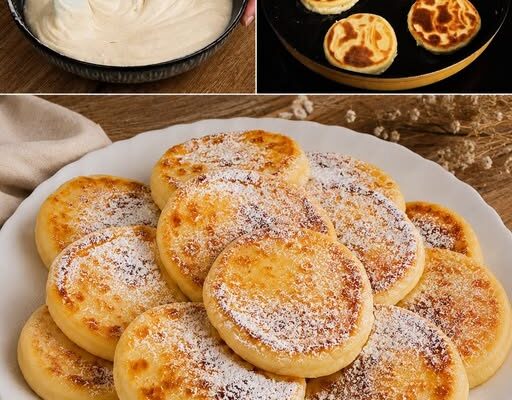
Cook until the surface begins to set and the edges look slightly golden. Depending on the thickness of the pancakes and the heat of your stove, this may take approximately one to two minutes.
Carefully flip the pancake using a thin spatula.
Cook the other side briefly until lightly golden.
Transfer the finished pancake to a plate and continue with the remaining batter.
The Secret to Soft and Tender Pancakes
One of the biggest mistakes people make when preparing pancakes is cooking them at excessively high heat.
A very hot pan may seem convenient because the pancakes brown quickly, but the result can be disappointing. The exterior may become too dark while the center remains undercooked or loses its softness.
Medium heat is generally a better choice.
You should also avoid pressing down on the pancakes with your spatula. This may seem harmless, but pressing them can force moisture out and make the finished pancakes less tender.
Instead, let them cook naturally and flip them only when they are ready.
How to Tell When a Pancake Is Ready to Flip
You do not have to guess.
Look for several simple signs:
- The edges begin to look set.
- The surface loses its wet appearance.
- Small bubbles may appear.
- The underside becomes lightly golden.
- The pancake can be lifted without tearing.
Once you notice these signs, slide a spatula underneath and flip it gently.
If the pancake sticks badly, it may be too early to turn it or the pan may need a little more oil.
Common Mistakes to Avoid
Even simple recipes can go wrong when a few details are overlooked.
Adding Too Much Flour
Too much flour produces a heavy batter and can make the pancakes thick and dry.
Always measure carefully and adjust gradually if necessary.
Overmixing the Batter
Mixing is important, but excessive whisking can make the texture less delicate.
Once the ingredients are combined and the major lumps are gone, stop mixing.
Using Excessive Heat
High heat can burn the outside quickly.
Medium or medium-low heat is usually more forgiving and allows the pancake to cook evenly.
Making Every Pancake Too Large
Large pancakes can be difficult to flip.
For beginners, smaller pancakes are often easier to manage. Once you become comfortable with the batter, you can experiment with different sizes.
Using Too Much Butter or Oil
A lightly greased pan is enough. Excess fat can make the pancakes greasy and prevent an even surface.
What Makes the Texture So Appealing?
Texture is one of the reasons this recipe stands out.
The ideal pancake should not be dry or rubbery. It should be flexible enough to fold, soft enough to bite easily, and sturdy enough to hold toppings without falling apart.
The combination of eggs, milk, and flour creates that balance.
If you prefer an especially tender result, avoid overcooking the pancakes. As soon as they are cooked through and lightly golden, remove them from the pan.
Remember that they will continue to release a little steam after cooking, so there is no need to keep them on the heat longer than necessary.
Sweet Topping Ideas
These pancakes are delicious on their own, but toppings can turn them into a completely different breakfast.
Try serving them with:
- Fresh strawberries
- Blueberries
- Raspberries
- Banana slices
- Honey
- Maple syrup
- Powdered sugar
- Fruit preserves
- Chocolate spread
- Greek yogurt
- Whipped cream
- Chopped nuts
- Cinnamon
- Caramel sauce
For a simple presentation, fold each pancake into quarters and dust the top with powdered sugar.
For a more indulgent weekend breakfast, add fresh berries, a spoonful of whipped cream, and a light drizzle of maple syrup.
A Fresh Fruit Version
Fresh fruit adds brightness and natural sweetness.
Strawberries and bananas are especially good choices, but almost any soft seasonal fruit can work.
You can also prepare a quick fruit topping by gently warming berries in a small saucepan with a little sugar. Cook just until they release some juice and become soft.
Spoon the warm fruit over the pancakes and finish with yogurt or a small amount of powdered sugar.
A Chocolate Lover’s Version
If you enjoy chocolate, these pancakes are an excellent base.
Spread a thin layer of chocolate-hazelnut spread over each pancake and fold it into quarters.
Add sliced bananas or strawberries for contrast.
A small amount of grated dark chocolate can also be sprinkled over the top.
Because the pancakes are already soft and delicate, you do not need a huge amount of chocolate to make them feel indulgent.
Can You Make Them Savory?
Absolutely.
Simply reduce or omit the sugar and vanilla, then serve the pancakes with savory ingredients.
Good options include:
- Soft cheese
- Cottage cheese
- Grated cheese
- Sautéed mushrooms
- Spinach
- Ham
- Smoked salmon
- Fresh herbs
- Roasted vegetables
A savory version can become a satisfying lunch or light dinner.
For example, fill a warm pancake with cream cheese, spinach, and grated cheese, then fold it and serve immediately.
How to Keep Pancakes Warm
If you are cooking a large batch, you may want to keep the finished pancakes warm while preparing the rest.
Place them on a heatproof plate and cover loosely with foil.
Alternatively, keep them in a warm oven at a low temperature.
Avoid leaving them uncovered for too long because the edges can dry out.
Another simple method is to stack the pancakes as they finish cooking. Their own warmth helps keep them soft.
Can You Prepare the Batter in Advance?
Yes, in many cases the batter can be prepared ahead of time and refrigerated.
Cover the bowl well and keep it chilled.
Before cooking, give the batter a gentle stir. If it has thickened while resting in the refrigerator, add a small splash of milk to restore the desired consistency.
For the best texture, however, freshly prepared batter is usually preferable.
How to Store Leftover Pancakes
If you have leftovers, allow them to cool before storing.
Place them in an airtight container and refrigerate.
When you want to eat them again, warm them gently in a skillet, microwave, or oven.
A skillet is particularly useful because it can bring back a lightly golden exterior without making the pancakes overly soft.
If you are stacking several pancakes, placing a small sheet of parchment between them can make them easier to separate later.
Can You Freeze Them?
Yes. Pancakes can be frozen successfully when stored properly.
Allow them to cool completely first. Separate individual pancakes with parchment paper, then place them in a freezer-safe bag or container.
Remove as much excess air as possible before sealing.
When you want to enjoy them, thaw them in the refrigerator or reheat them directly from frozen using a skillet, oven, or microwave.
Freezing is especially convenient when you like homemade breakfasts but do not always have time to cook from scratch in the morning.
How to Make the Recipe More Flavorful
A few small additions can completely change the character of the pancakes.
For a warm flavor, add a little cinnamon.
For a fresh note, try finely grated lemon or orange zest.
Vanilla extract creates a familiar dessert-like aroma.
You can also experiment with a tiny amount of almond extract, although it is quite strong and should be used sparingly.
Fresh herbs work beautifully in savory versions.
The key is moderation. Pancakes have a delicate flavor, so strong additions should complement rather than overpower the base.
The Best Pan for Pancakes
A quality nonstick skillet is probably the easiest option for beginners.
It requires very little oil and makes flipping much simpler.
A well-seasoned cast-iron skillet can also produce excellent results, although it may require more attention to temperature and greasing.
A dedicated crêpe pan is another possibility if you make thin pancakes frequently.
Ultimately, the most important factor is not the type of pan but how well you control the heat.
Why Homemade Pancakes Are Worth Making
There is something special about preparing pancakes at home.
The ingredients are simple, the process is quick, and the result can be customized according to your taste.
You can make them sweet for breakfast, turn them into a dessert, or prepare a savory version for lunch.
Unlike packaged alternatives, homemade pancakes can be adjusted easily. You decide how sweet they should be, which toppings to use, and how thin or thick you want them.
That flexibility is one of the reasons pancake recipes remain so popular around the world.
Frequently Asked Questions
Can I use plant-based milk?
Yes. Unsweetened oat, almond, or soy milk can usually be used instead of regular milk. Keep in mind that different plant-based milks can slightly change the flavor and texture.
Why are my pancakes tearing?
The batter may be too thin, the pancakes may be too large, or they may be flipped before the first side has properly set. Allow the surface to cook before attempting to turn them.
Why are my pancakes dry?
Overcooking is one of the most common reasons. Excess flour can also make them dry. Try cooking them for a shorter time and checking the batter consistency before making the entire batch.
Can I make them without vanilla?
Certainly. Vanilla is optional and mainly contributes aroma and flavor.
Can I reduce the sugar?
Yes. If you plan to serve the pancakes with sweet toppings, you can reduce the amount of sugar in the batter.
Can I make the pancakes thinner?
Yes. Add a small amount of additional milk to create a more fluid batter, then spread it quickly across the pan.
Can I make them thicker?
You can use a slightly thicker batter and pour a little more into the pan. If the recipe includes baking powder, the amount can also influence how much the pancakes rise.
Tips for Perfect Results Every Time
For consistently delicious pancakes, keep these simple principles in mind:
- Measure your ingredients carefully.
- Add flour gradually.
- Mix only until the batter is smooth.
- Allow the batter to rest when possible.
- Preheat the pan before cooking.
- Use moderate heat.
- Grease the pan lightly.
- Do not overcrowd the pan.
- Flip only when the first side is set.
- Avoid pressing the pancakes with the spatula.
- Serve while warm.
- Experiment with toppings once you have mastered the basic recipe.
These small details can make the difference between an average batch and pancakes that everyone remembers.
A Simple Breakfast That Feels Special
The appeal of these pancakes lies in their simplicity.
You do not need a long list of unusual ingredients to create something delicious. With a few everyday staples and the right technique, you can prepare a breakfast that feels homemade, comforting, and a little indulgent.
The pancakes are soft enough to enjoy with a simple dusting of powdered sugar, yet versatile enough to become the centerpiece of a more elaborate brunch.
Serve them with fruit on a warm summer morning, pair them with cinnamon and apples during autumn, or make a chocolate version when you want an especially cozy treat.
There is really no wrong way to enjoy them.
Final Thoughts
These are not your ordinary pancakes. Their delicate texture, creamy character, and versatility make them a wonderful addition to any breakfast menu.
Whether you prefer a classic presentation with butter and maple syrup, a fresh fruit topping, a decadent chocolate variation, or a savory filling, this recipe gives you plenty of room to experiment.
The technique is simple enough for a beginner, while the results are satisfying enough to impress experienced home cooks.
Once you make them successfully, you may find yourself returning to the recipe whenever you want a quick homemade breakfast that feels much more special than an ordinary stack of pancakes.
So heat the pan, prepare your batter, and get ready for the delicious aroma of freshly cooked pancakes filling your kitchen. Sometimes the simplest recipes really are the ones worth keeping.
Wikipedia Links for Common Kitchen Ingredients
- Flour – Wikipedia — general information about flour and its uses in cooking and food preparation.
- Wheat flour – Wikipedia — information about wheat flour and its different types.
- Eggs as food – Wikipedia — information about eggs as a food and their uses in cooking.
Recommended Recipes
- Delicious Vegetable Cakes with Carrot and Zucchini – a simple, flavorful and easy vegetable recipe made with carrot, zucchini and egg. Perfect for a quick breakfast, light lunch or tasty snack.
- Yeast-Free Cottage Cheese Buns with Apples – soft and delicious homemade buns made with cottage cheese and fresh apples. A quick and easy breakfast or snack that the whole family will enjoy.