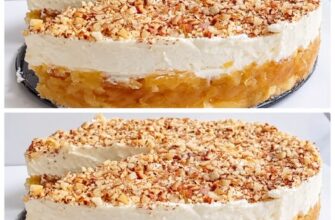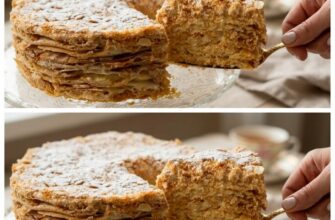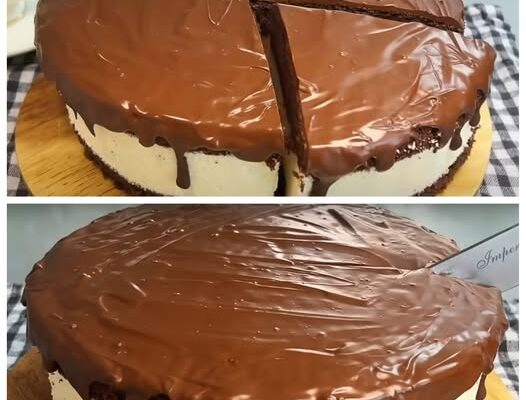

- Incredibly Delicious Eskimo Cake: The Simple Homemade Cake Recipe I’ve Been Making for Years
- What Is Eskimo Cake?
- Why This Homemade Eskimo Cake Is So Good
- Ingredients for Homemade Eskimo Cake
- Eggs
- Sugar
- Flour
- Cocoa Powder
- Baking Powder
- Milk
- Butter
- Condensed Milk
- Chocolate
- How to Make the Cake Base
- How to Bake the Cake Properly
- The Secret to a Soft Cake Layer
- Preparing the Cream
- Why the Temperature of the Butter Matters
- Assembling the Cake
- The Chocolate Topping
- Why the Chocolate Layer Is So Important
- Letting the Cake Rest
- What Happens Overnight?
- How to Get Clean Cake Slices
- Easy Variations of Eskimo Cake
- Vanilla Eskimo Cake
- Extra Chocolate Version
- Coconut Eskimo Cake
- Nut-Topped Version
- Berry Version
- How to Make the Cake Less Sweet
- How to Make Eskimo Cake for a Birthday
- Why This Is a Great Family Recipe
- How to Store Eskimo Cake
- Can You Freeze Eskimo Cake?
- Common Mistakes to Avoid
- Overbaking the Cake
- Adding Cream to a Hot Cake
- Using Melted Butter for the Cream
- Pouring Very Hot Chocolate Over the Cream
- Cutting the Cake Too Soon
- Frequently Asked Questions
- Why is it called Eskimo Cake?
- Is Eskimo Cake difficult to make?
- Can I use store-bought condensed milk?
- Can I use dark chocolate?
- Can I make the cake the day before?
- Can I add fruit?
- Can I use sour cream instead of butter in the cream?
- Why did my cream become too soft?
- Why did the chocolate topping crack?
- How long should I refrigerate the cake?
- The Nostalgic Appeal of Homemade Eskimo Cake
- Why This Recipe Has Stayed in My Kitchen for Years
- Final Thoughts
- Wikipedia Links for Common Kitchen Ingredients
- Recommended Recipes
Incredibly Delicious Eskimo Cake: The Simple Homemade Cake Recipe I’ve Been Making for Years
There are some homemade cakes that never go out of style.
You make them once, your family loves them, and before you know it, the recipe becomes part of your regular baking routine. You may prepare newer desserts from time to time, but you always return to the familiar cake that everyone knows will disappear from the table.
Eskimo Cake is exactly that kind of dessert.
Rich but balanced, soft but satisfying, creamy on the inside and beautifully finished on the outside, this homemade cake has everything you want from a classic family dessert. It is made from simple ingredients, does not require complicated decorating techniques and can be prepared without professional baking equipment.
I have been making this recipe for years, and it remains one of those cakes that I can confidently prepare when I want something homemade, comforting and guaranteed to impress.
The combination of a tender cake layer, creamy filling and chocolate topping creates a dessert that looks much more elaborate than it actually is.
If you are searching for an easy homemade Eskimo cake, a simple chocolate cake recipe, or a classic dessert that works beautifully for birthdays, weekends and family gatherings, this recipe is worth saving.
What Is Eskimo Cake?
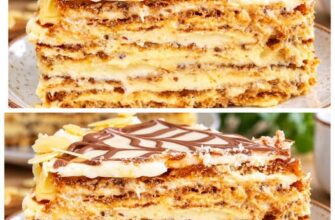
Eskimo Cake is a popular homemade-style dessert known for its combination of soft cake, creamy filling and chocolate coating.
There are many versions of the recipe, and ingredients can vary from one family to another.
Some recipes use a light sponge cake.
Others use a richer chocolate base.
Some versions have a vanilla cream, while others use butter-based or condensed-milk fillings.
The version described here focuses on the classic idea: a soft homemade cake paired with a creamy layer and finished with chocolate.
The result is rich enough to feel like a special occasion dessert but simple enough to prepare for an ordinary weekend.
That balance is one of the reasons this type of cake has remained popular for so many years.
Why This Homemade Eskimo Cake Is So Good
The appeal of this cake comes from contrast.
The cake itself is soft and tender.
The cream is smooth and rich.
The chocolate topping adds a slightly firmer texture and deep cocoa flavor.
When you take a bite, all three components come together.
The cake provides structure.
The cream provides moisture and richness.
The chocolate creates a satisfying finish.
It is this combination that makes the dessert so difficult to resist.
And because the flavors are familiar, the cake tends to appeal to both children and adults.
Ingredients for Homemade Eskimo Cake
One of the best things about this recipe is that most of the ingredients are basic pantry or refrigerator staples.
Eggs
Eggs form the foundation of the cake batter.
They help provide structure and contribute to the soft texture of the baked cake.
For the best results, use fresh eggs and bring them to room temperature before mixing if possible.
Room-temperature eggs can incorporate more easily into the batter.
Sugar
Sugar sweetens the cake and contributes to its texture.
The amount can be adjusted slightly depending on how sweet you prefer your desserts, although major changes can affect the consistency.
Flour
All-purpose flour provides the structure needed for the cake.
Measure it carefully.
Adding too much flour is one of the easiest ways to turn a soft homemade cake into a dense one.
Cocoa Powder
Unsweetened cocoa powder gives the cake its chocolate flavor.
Use good-quality cocoa for the most pronounced taste.
Cocoa can vary significantly in intensity, so choose a variety you enjoy.
Baking Powder
Baking powder helps the cake rise and become lighter.
Make sure it is fresh.
Old baking powder may not provide sufficient lift.
Milk
Milk contributes moisture and helps create a tender crumb.
It can also be used in the cream or chocolate topping depending on the specific version of the recipe.
Butter
Butter adds richness and gives the dessert its classic homemade flavor.
It can be used in the cream and chocolate topping.
Condensed Milk
Sweetened condensed milk is an excellent ingredient for creating a rich and creamy filling.
It has a naturally concentrated dairy flavor and provides sweetness at the same time.
Chocolate
Chocolate creates the finishing layer.
You can use dark, milk or semi-sweet chocolate depending on your preferred level of sweetness.
How to Make the Cake Base
Start by preparing the cake batter.
Preheat the oven before mixing the ingredients.
This ensures that the batter can go directly into a properly heated oven.
In a large bowl, beat the eggs with sugar until the mixture becomes lighter and slightly fluffy.
The goal is not necessarily to create an extremely stiff foam, but the eggs should become noticeably lighter.
Add the milk and other wet ingredients according to the recipe.
Mix gently.
In a separate bowl, combine the flour, cocoa powder and baking powder.
Gradually add the dry ingredients to the wet mixture.
Mix only until everything is combined.
Avoid excessive mixing.
Overmixing can develop too much gluten and make the cake denser than intended.
How to Bake the Cake Properly
Pour the batter into a prepared baking pan.
The pan should be greased and, if desired, lined with parchment paper.
Spread the batter evenly.
Place the pan in the preheated oven.
Bake until the cake has risen and a toothpick inserted into the center comes out clean or with only a few moist crumbs.
Avoid opening the oven repeatedly during the first part of baking.
Sudden temperature changes can cause a cake to lose some of its rise.
Once baked, remove the cake from the oven and allow it to cool.
Do not add the cream while the cake is still very hot.
The heat can cause the filling to soften excessively.
The Secret to a Soft Cake Layer
The cake base should be tender rather than dry.
There are several things that help achieve this.
First, do not overbake.
A few extra minutes in the oven can make a significant difference.
Second, measure flour carefully.
Too much flour absorbs moisture and can create a dense crumb.
Third, allow the cake to cool naturally.
Finally, give the assembled cake enough time to rest.
The cream will gradually add moisture to the cake, making it even softer.
Preparing the Cream
The cream is one of the most important parts of Eskimo Cake.
A simple butter and condensed milk cream can create a rich and silky filling.
Start with softened butter.
Beat it until it becomes lighter and creamy.
Gradually add the sweetened condensed milk.
Continue mixing until the ingredients are completely incorporated.
The final cream should be smooth, thick and easy to spread.
If you want a lighter flavor, you can add vanilla.
A small amount of vanilla extract can make the cream smell and taste much more aromatic.
Why the Temperature of the Butter Matters
The butter should be soft, but not melted.
If the butter is too cold, it can be difficult to beat smoothly.
If it is melted, it will not create the same fluffy cream.
The ideal texture is soft enough to press easily with a spoon but still firm enough to hold its shape.
Allowing the butter to soften naturally at room temperature is usually the best approach.
Assembling the Cake
Once the cake has cooled completely, it is time to add the cream.
Place the cake on a flat serving surface.
Spread the cream evenly across the top.
Use a spatula to create a smooth layer.
Try to distribute the cream all the way to the edges.
The cream should be thick enough to create a noticeable layer without sliding off the cake.
If necessary, refrigerate the cake briefly before adding the chocolate topping.
This helps the cream firm up.
The Chocolate Topping
The final chocolate layer is what gives Eskimo Cake its characteristic appearance.
Melt chocolate gently with butter or another suitable ingredient depending on your chosen recipe.
Use low heat.
Chocolate can burn or seize if exposed to excessive heat.
Stir continuously until the mixture becomes smooth.
Allow the chocolate topping to cool slightly before spreading it over the cream.
If the chocolate is extremely hot, it can melt the cream underneath.
Spread the chocolate gently over the surface.
Do not press too hard.
Why the Chocolate Layer Is So Important
The chocolate topping is not just decoration.
It provides an important textural contrast.
The creamy filling is soft and smooth.
The cake is tender.
The chocolate creates a slightly firmer layer that breaks gently when you cut into it.
This contrast makes each bite more interesting.
You can use milk chocolate for a sweeter result or dark chocolate for a more intense cocoa flavor.
A mixture of both can also work beautifully.
Letting the Cake Rest
Once assembled, the cake should be refrigerated.
This is one of the most important steps.
Allowing the cake to rest gives the cream time to settle into the cake layer.
The texture becomes more unified.
The flavors also become more pronounced.
Although you may be tempted to cut the cake immediately, patience is rewarded.
Several hours in the refrigerator can make a noticeable difference.
For the best texture, many homemade cake recipes benefit from resting overnight.
What Happens Overnight?
As the cake sits in the refrigerator, several things happen.
The cream gradually softens the cake.
The chocolate topping becomes firm.
The flavors blend together.
The cake becomes easier to slice.
The result is a dessert with a more cohesive texture than when freshly assembled.
This is one reason Eskimo Cake is such a useful dessert for celebrations.
You can make it the day before and simply take it out when it is time to serve.
How to Get Clean Cake Slices
If you want beautiful slices, use a sharp knife.
For the cleanest cuts, dip the knife briefly into warm water and wipe it dry before slicing.
Cut with gentle, controlled movements.
Avoid pressing down aggressively because this can compress the cream.
Wipe the knife between slices if necessary.
The first slice may be less perfect than the others.
That is normal with layered cakes.
Easy Variations of Eskimo Cake
Once you have mastered the basic recipe, it is easy to experiment.
Vanilla Eskimo Cake
If you prefer a lighter dessert, prepare a vanilla cake base instead of chocolate.
The creamy filling and chocolate topping still work beautifully with vanilla.
Extra Chocolate Version
For chocolate lovers, use a chocolate sponge, chocolate cream and dark chocolate topping.
This creates a much more intense dessert.
Coconut Eskimo Cake
Add shredded coconut to the cream or sprinkle it over the chocolate topping before it sets.
Coconut pairs naturally with chocolate and dairy.
Nut-Topped Version
Chopped walnuts, hazelnuts or almonds can be sprinkled over the chocolate layer.
The nuts add crunch and make the cake look festive.
Berry Version
Fresh raspberries or strawberries can be served alongside the cake.
The slight acidity of berries balances the sweetness of the cream.
How to Make the Cake Less Sweet
Because sweetened condensed milk is naturally sweet, some people prefer to balance the dessert with more intense cocoa or dark chocolate.
Using dark chocolate for the topping is one of the easiest ways to reduce the perception of sweetness.
You can also add a small amount of unsweetened cocoa powder to the cream if appropriate for your chosen recipe.
Do not drastically reduce sugar in the cake batter without considering the recipe’s structure.
Sugar affects more than sweetness.
It also contributes to moisture and texture.
How to Make Eskimo Cake for a Birthday
This cake can easily become a birthday dessert.
Prepare the cake in a rectangular or round pan.
After adding the cream and chocolate layer, decorate the top with:
- chocolate shavings
- chopped nuts
- coconut
- fresh berries
- small chocolate pieces
- powdered decorations
You do not need complicated piping skills.
The smooth chocolate surface already looks elegant.
For children, colorful sprinkles can make the cake more playful.
For adults, chocolate curls or toasted nuts create a more sophisticated appearance.
Why This Is a Great Family Recipe
The recipe is straightforward enough that children can participate in some of the preparation under adult supervision.
They can help measure ingredients, mix dry ingredients or decorate the finished cake.
This can turn baking into a family activity rather than simply a cooking task.
And perhaps that is another reason homemade cakes become associated with childhood.
The memory is not only about eating the dessert.
It is also about making it together.
How to Store Eskimo Cake
Because the cake contains a dairy-based cream, it should be stored in the refrigerator.
Place it in a covered container or cover it carefully.
This prevents the cake from absorbing odors from other foods.
Properly refrigerated, homemade cake can generally be enjoyed for several days, depending on the freshness and storage of the ingredients.
Always use your judgment regarding food safety and discard the cake if it develops an unusual smell, appearance or texture.
Can You Freeze Eskimo Cake?
Some components of the cake can be frozen, although the texture of the finished cream may change after thawing.
If you want to prepare the dessert ahead of time, freezing the baked cake layer before adding the cream can be a practical option.
Wrap the cooled cake carefully.
Thaw it in the refrigerator before assembling.
For the best texture, prepare the cream and chocolate topping fresh.
Common Mistakes to Avoid
Overbaking the Cake
This is one of the easiest mistakes to make.
Check the cake toward the end of the recommended baking period.
A dry cake will not become softer simply because you add more cream.
Adding Cream to a Hot Cake
Always allow the cake to cool.
Hot cake can cause the cream to melt or become unstable.
Using Melted Butter for the Cream
Soft butter is preferable to melted butter.
Melted butter will not whip properly.
Pouring Very Hot Chocolate Over the Cream
Let the chocolate cool slightly.
It should still be fluid enough to spread but not hot enough to melt the cream.
Cutting the Cake Too Soon
Give the dessert enough time to chill.
The resting period improves both texture and flavor.
Frequently Asked Questions
Why is it called Eskimo Cake?
The name is used for a style of homemade cake characterized by a soft base, creamy filling and chocolate topping. Recipes and interpretations can vary considerably.
Is Eskimo Cake difficult to make?
No. The individual components are relatively simple. The main requirement is allowing enough time for the cake to cool and set.
Can I use store-bought condensed milk?
Yes. Sweetened condensed milk is commonly used for the cream.
Can I use dark chocolate?
Absolutely. Dark chocolate can provide a pleasant contrast to the sweet condensed milk filling.
Can I make the cake the day before?
Yes. This is actually a convenient option because the cake benefits from resting in the refrigerator.
Can I add fruit?
Yes. Berries, strawberries or cherries can complement the chocolate and cream.
Can I use sour cream instead of butter in the cream?
Some variations of Eskimo Cake use different cream bases, but changing the main fat component will alter the consistency and flavor.
Why did my cream become too soft?
The butter may have been too warm, or the condensed milk may have been added too quickly. Refrigerating the cream can help it firm up.
Why did the chocolate topping crack?
A very cold cake combined with a firm chocolate layer can sometimes produce cracks when sliced. Letting the cake sit at room temperature briefly before cutting can help.
How long should I refrigerate the cake?
Several hours is recommended. Overnight is ideal if you want the cake to develop a softer, more integrated texture.
The Nostalgic Appeal of Homemade Eskimo Cake
There is something timeless about a dessert that does not try too hard.
No complicated decoration.
No unusual ingredients.
No professional pastry techniques.
Just a soft cake, creamy filling and chocolate.
That simplicity is precisely what makes Eskimo Cake so memorable.
It belongs to the category of homemade desserts that families return to year after year.
You can change the decoration.
You can experiment with the chocolate.
You can add nuts or coconut.
But the basic combination remains comforting.
Why This Recipe Has Stayed in My Kitchen for Years
There are recipes that you make once because they look interesting.
Then there are recipes that become part of your routine.
Eskimo Cake belongs to the second category.
It is easy enough to make without waiting for a special occasion.
At the same time, it looks and tastes special enough to serve to guests.
That combination is incredibly valuable in a home kitchen.
You know the ingredients.
You know the steps.
You know that after a few hours in the refrigerator, the cake will be soft, creamy and ready to serve.
And every time you make it, the familiar aroma brings back the same comforting feeling.
Final Thoughts
Incredibly delicious Eskimo Cake is a classic homemade dessert that proves you do not need complicated techniques to create something memorable.
A tender cake layer, rich condensed milk cream and smooth chocolate topping are enough to create a dessert that looks beautiful and tastes wonderfully indulgent.
The key is patience.
Bake the cake carefully.
Let it cool completely.
Prepare a smooth cream.
Spread it evenly.
Add the chocolate topping once it has cooled slightly.
Then refrigerate the finished cake and give the flavors time to come together.
After several hours, you will have a dessert with a soft interior, creamy filling and satisfying chocolate finish.
It is the kind of cake that works for birthdays, holidays, family gatherings, Sunday lunches or simply a weekend when you want something homemade.
And perhaps the greatest compliment a cake can receive is not an elaborate description.
It is when everyone quietly reaches for another slice.
That is exactly the kind of dessert this easy homemade Eskimo Cake is meant to be.
Wikipedia Links for Common Kitchen Ingredients
- Flour – Wikipedia — general information about flour and its uses in cooking and food preparation.
- Wheat flour – Wikipedia — information about wheat flour and its different types.
- Eggs as food – Wikipedia — information about eggs as a food and their uses in cooking.
Recommended Recipes
- Delicious Vegetable Cakes with Carrot and Zucchini – a simple, flavorful and easy vegetable recipe made with carrot, zucchini and egg. Perfect for a quick breakfast, light lunch or tasty snack.
- Yeast-Free Cottage Cheese Buns with Apples – soft and delicious homemade buns made with cottage cheese and fresh apples. A quick and easy breakfast or snack that the whole family will enjoy.