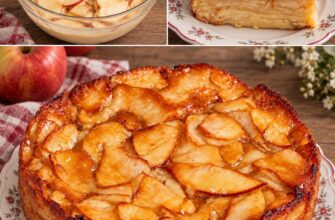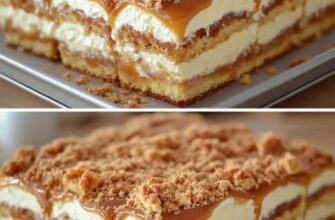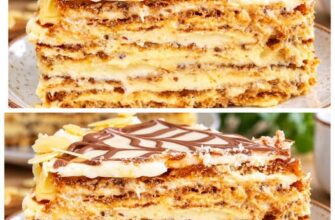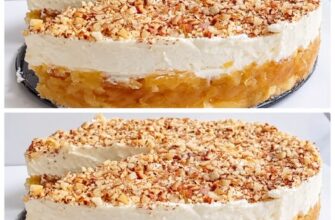
- The True Taste of Childhood: “Dandelion Fluff” Cottage Cheese Cake Baked in the Oven
- What Is “Dandelion Fluff” Cottage Cheese Cake?
- Why This Cake Tastes Like Childhood
- Ingredients for Dandelion Fluff Cottage Cheese Cake
- Cottage Cheese
- Eggs
- Sugar
- Vanilla
- Flour
- Butter
- Baking Powder
- Optional Lemon Zest
- How to Prepare the Cottage Cheese Filling
- Preparing the Cake Base
- How to Assemble Dandelion Fluff Cake
- Baking the Cake
- How to Know When the Cake Is Ready
- The Importance of Cooling
- What Makes Cottage Cheese So Good for Baking?
- A Traditional Dessert with a Modern Appeal
- How to Make the Cake Extra Tender
- Can You Make the Cake with Ricotta?
- Can You Add Raisins?
- Lemon and Cottage Cheese: A Perfect Combination
- A Cinnamon Variation
- Apple and Cottage Cheese Dandelion Cake
- Berry Version
- Chocolate Variation
- How to Serve Dandelion Fluff Cake
- The Perfect Afternoon Tea Cake
- A Cake for Family Gatherings
- How to Store Cottage Cheese Cake
- Can You Freeze It?
- Why Homemade Cakes Still Matter
- Tips for First-Time Bakers
- Frequently Asked Questions
- What does “Dandelion Fluff” cake taste like?
- Is this the same as cheesecake?
- Can I use low-fat cottage cheese?
- Can I use farmer cheese?
- Can I make it without vanilla?
- Can I add fruit?
- Why is my filling watery?
- Why did my cake crack?
- Can I serve it warm?
- Can I make it the day before?
- Simple Ways to Make This Dessert Look Beautiful
- Why This Recipe Is Worth Saving
- Final Thoughts: A Little Taste of Childhood
- Wikipedia Links for Common Kitchen Ingredients
- Recommended Recipes
The True Taste of Childhood: “Dandelion Fluff” Cottage Cheese Cake Baked in the Oven
There are some desserts that are much more than just a sweet treat. One bite can bring back memories of childhood kitchens, family gatherings, warm afternoons and the comforting smell of homemade baking filling the house.
“Dandelion Fluff” cottage cheese cake is one of those desserts.
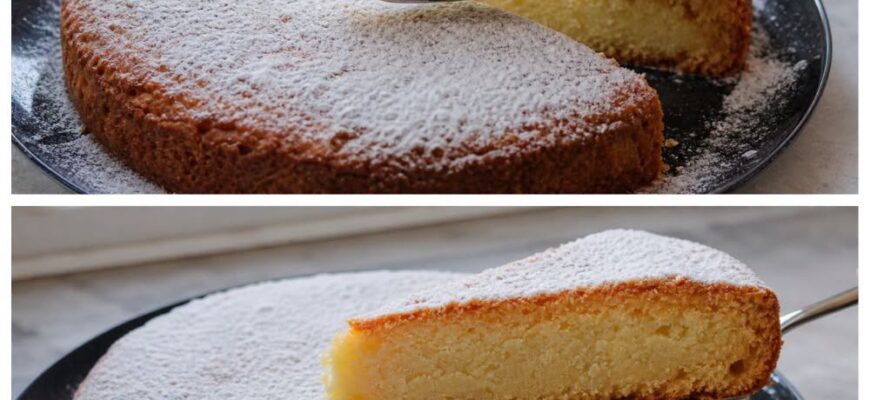
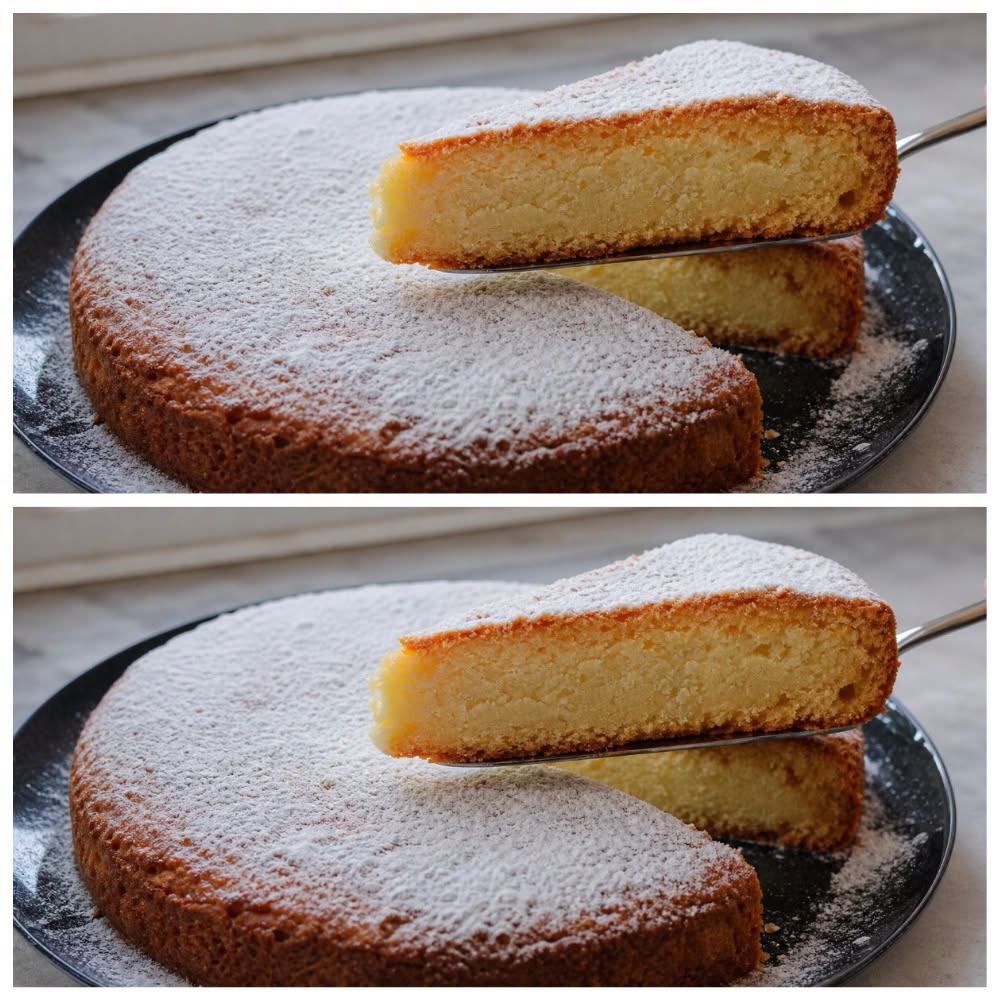
Soft, tender and delicately sweet, this oven-baked cottage cheese cake has the kind of homemade character that modern desserts often struggle to recreate. Its name, “Dandelion Fluff,” comes from its wonderfully light appearance and delicate texture. The cake looks simple, but once you cut into it, the creamy cottage cheese filling and tender baked layers create a combination that feels nostalgic and familiar.
This is the kind of recipe that does not need complicated decorations, expensive ingredients or elaborate techniques. It relies on simple ingredients and careful preparation to create a dessert that tastes like it came straight from a grandmother’s kitchen.
If you love cottage cheese desserts, old-fashioned cakes, easy oven-baked recipes and nostalgic childhood desserts, this recipe deserves a place in your collection.
The best part is that it is surprisingly approachable. You do not need to be an experienced baker to make it successfully. With a little patience and a few basic ingredients, you can prepare a beautiful homemade cake that is soft, creamy and wonderfully comforting.
What Is “Dandelion Fluff” Cottage Cheese Cake?
“Dandelion Fluff” is a cottage cheese-based cake inspired by traditional homemade European baking.
The dessert gets its charming name from its delicate appearance. Depending on how the dough and filling are prepared, the finished cake can look soft and airy, almost like the delicate white fluff of a dandelion.
At the heart of the dessert is cottage cheese, which gives the filling a creamy texture and a subtle dairy flavor.
Unlike very rich modern cheesecakes that often contain large quantities of cream cheese, heavy cream or elaborate toppings, this cake has a more traditional homemade character.
It is simple, comforting and designed to let the ingredients speak for themselves.
The cottage cheese filling is usually lightly sweetened and can be flavored with vanilla, citrus zest or other simple additions.
The cake is then baked in the oven until the exterior becomes lightly golden and the filling sets.
The result is a dessert that can be served warm, at room temperature or chilled.
Why This Cake Tastes Like Childhood
Food memories are powerful.
Sometimes the smell of a freshly baked cake is enough to transport you back years.
Traditional cottage cheese desserts are particularly associated with home cooking in many European households. Cottage cheese was an affordable and versatile ingredient, and it appeared in everything from breakfast dishes to pastries, pancakes, dumplings and cakes.
This recipe captures that same spirit.
There is nothing overly complicated about it.
No elaborate frosting is required.
No complicated decoration is necessary.
The beauty lies in the contrast between a tender baked exterior and a creamy cottage cheese center.
The aroma of vanilla and freshly baked dough fills the kitchen while the cake is in the oven.
That is exactly the kind of smell many people associate with weekends at home, family celebrations and baking with parents or grandparents.
Ingredients for Dandelion Fluff Cottage Cheese Cake
One of the reasons this cake is so appealing is the simplicity of its ingredients.
Exact quantities can be adjusted according to the size of your baking dish and the desired thickness of the layers, but the basic components are straightforward.
Cottage Cheese
Cottage cheese is the star ingredient.
For the best results, choose a cottage cheese that is relatively thick rather than extremely watery.
If your cottage cheese contains a lot of liquid, place it in a fine sieve or cheesecloth and allow some of the moisture to drain.
The texture of the final filling depends heavily on the cottage cheese.
A creamy, moderately dry cottage cheese produces a filling that is smooth and rich without becoming runny.
Eggs
Eggs help bind the ingredients and give the filling a delicate structure as it bakes.
They also contribute to the soft texture of the cake.
For best results, use eggs at room temperature when possible.
Sugar
Sugar provides sweetness and helps balance the mild tanginess of cottage cheese.
You do not need to make the cake excessively sweet.
A moderate amount allows the natural flavor of the cottage cheese to remain noticeable.
Vanilla
Vanilla adds a warm aroma that works beautifully with dairy-based desserts.
A small amount can make the entire kitchen smell like freshly baked pastry.
Flour
Flour provides structure to the baked portion of the cake.
Depending on the exact recipe variation, flour can be combined with butter, eggs, sugar and other ingredients to create a soft pastry layer.
Butter
Butter gives the dough a rich flavor and tender texture.
It also contributes to the classic homemade character of the cake.
Baking Powder
If the recipe uses a leavened cake-style dough, baking powder helps create a softer and lighter texture.
The exact amount should be measured carefully.
Too much can affect the flavor and structure.
Optional Lemon Zest
A little lemon zest can brighten the cottage cheese filling.
The citrus aroma works especially well with vanilla and dairy ingredients.
How to Prepare the Cottage Cheese Filling
The filling is one of the most important parts of this cake.
Start by placing the cottage cheese in a large mixing bowl.
If it is very coarse, you can press it through a sieve or briefly process it until smoother.
This step is optional but can create a more delicate filling.
Add the eggs and sugar.
Mix until the ingredients are evenly combined.
Add vanilla and, if desired, a little lemon zest.
The finished mixture should be creamy and relatively thick.
If it seems excessively watery, the cottage cheese may contain too much moisture.
In that case, allow it to drain before continuing.
A good filling should spread easily but should not behave like a liquid.
Preparing the Cake Base
If your recipe uses a simple pastry-style base, begin by combining the flour with the other dry ingredients.
Separately, combine softened butter and sugar.
Add the eggs and mix until smooth.
Gradually incorporate the flour mixture.
Do not overwork the dough.
The goal is to create a soft, manageable dough rather than developing a strong gluten structure.
Depending on the recipe, the dough may need a short resting period in the refrigerator.
Chilling helps the butter firm up and can make the dough easier to handle.
How to Assemble Dandelion Fluff Cake
Once the filling and dough are prepared, assembly becomes straightforward.
Prepare your baking dish by lightly greasing it or lining it with parchment paper.
Depending on the specific version of the recipe, the dough can be pressed or rolled into the bottom of the dish.
Try to create an even layer.
Spread the cottage cheese filling over the base.
Use a spatula to distribute it evenly.
If the recipe includes a second layer of dough or crumbs, add it carefully over the cottage cheese filling.
The goal is to create a balanced ratio between the tender pastry and creamy filling.
Do not worry if the cake does not look perfect before baking.
The oven will transform the simple layers into a beautiful golden dessert.
Baking the Cake
Preheat the oven before placing the cake inside.
A properly preheated oven is essential for even baking.
Place the cake on the middle rack.
Bake until the surface is lightly golden and the cottage cheese filling is set.
The exact baking time depends on the size and depth of the cake.
A shallow cake will cook more quickly, while a thicker version will require more time.
Avoid opening the oven repeatedly during the first part of baking.
Frequent temperature changes can affect the texture.
When the cake is finished, remove it from the oven and allow it to cool.
How to Know When the Cake Is Ready
One of the easiest ways to check the cake is to observe the center.
The filling should no longer look liquid.
It can still have a slight softness or gentle movement immediately after baking because it will continue to firm as it cools.
The edges should appear set and lightly golden.
Do not wait for the entire surface to become deeply brown.
Overbaking can make cottage cheese filling dry and less creamy.
Remember that residual heat continues cooking the dessert after it leaves the oven.
The Importance of Cooling
It can be tempting to cut into the cake immediately.
However, allowing it to cool properly can significantly improve the texture.
As the cake cools, the cottage cheese filling becomes firmer and easier to slice.
If you want especially neat pieces, allow the cake to cool completely before cutting.
For an even firmer texture, refrigerate it for a few hours.
Some people prefer this cake slightly warm because the filling is soft and creamy.
Others enjoy it chilled because the flavors become more pronounced.
Both options are delicious.
What Makes Cottage Cheese So Good for Baking?
Cottage cheese is an extremely versatile baking ingredient.
It has a naturally mild flavor, which means it can be combined with sweet ingredients without overpowering them.
Its creamy texture is especially useful in cakes and pastries.
Cottage cheese also pairs well with:
- vanilla
- lemon
- cinnamon
- raisins
- apples
- berries
- honey
- nuts
- chocolate
- dried fruit
That makes it easy to adapt this recipe according to what you have at home.
A Traditional Dessert with a Modern Appeal
Although “Dandelion Fluff” cottage cheese cake has an old-fashioned character, it fits surprisingly well into modern cooking.
People are increasingly interested in recipes that feel authentic and homemade.
Instead of complicated desserts with dozens of ingredients, many home cooks are returning to simple recipes that grandparents might have prepared.
This cake is a perfect example.
It looks beautiful without requiring professional decorating skills.
It tastes rich without relying on an elaborate frosting.
And it can be prepared with ingredients found in an ordinary kitchen.
How to Make the Cake Extra Tender
There are several small tricks that can improve the final texture.
First, do not use excessively dry flour-heavy dough.
Second, avoid overmixing the pastry.
Third, use cottage cheese with a pleasant creamy consistency.
Fourth, do not overbake the cake.
Finally, allow it to cool before slicing.
These simple details can make a noticeable difference.
Can You Make the Cake with Ricotta?
Yes.
Ricotta can be used as an alternative to cottage cheese in many versions of this dessert.
However, ricotta and cottage cheese have different textures and moisture levels.
If using ricotta, you may need to adjust the amount of flour or other binding ingredients depending on how wet the ricotta is.
The final result will usually be smoother and more delicate.
Can You Add Raisins?
Absolutely.
Raisins are a classic addition to cottage cheese desserts.
Before adding them, soak them briefly in warm water and then drain them thoroughly.
This softens the raisins and prevents them from becoming dry during baking.
You can fold them directly into the cottage cheese filling.
For an extra aromatic variation, raisins can be combined with vanilla and lemon zest.
Lemon and Cottage Cheese: A Perfect Combination
If you have never tried lemon zest in a cottage cheese cake, it is worth experimenting with.
The bright citrus aroma balances the creamy dairy flavor.
You only need a small amount.
Use finely grated zest from a well-washed lemon.
Avoid adding too much of the white pith beneath the yellow skin because it can be bitter.
A little lemon zest can make the entire dessert taste fresher.
A Cinnamon Variation
Cinnamon is another simple way to change the character of the cake.
Add a small amount to the dough or sprinkle a little over the filling.
Cinnamon works particularly well if you also add apples or raisins.
The result becomes warmer and more autumnal.
Apple and Cottage Cheese Dandelion Cake
For a fruit-filled variation, finely chopped or grated apples can be added to the cottage cheese filling.
If using grated apples, squeeze out some excess liquid first.
Otherwise, the filling may become too wet.
A combination of apple, cinnamon and cottage cheese creates a classic homemade flavor.
This variation is especially suitable for autumn baking.
Berry Version
Fresh or frozen berries can also be used.
Blueberries, raspberries and blackberries pair beautifully with cottage cheese.
If using frozen berries, do not thaw them completely before adding them.
Excess liquid can affect the filling.
A small amount of berries can provide bright color and a pleasant contrast to the creamy filling.
Chocolate Variation
For chocolate lovers, a small amount of cocoa powder can be incorporated into the pastry layer.
Another option is to add a few chocolate chips to the cottage cheese filling.
Chocolate and cottage cheese create a richer dessert that feels more indulgent.
However, if the goal is to preserve the nostalgic character of the original recipe, vanilla, lemon and raisins are more traditional flavor directions.
How to Serve Dandelion Fluff Cake
This cake can be served in many ways.
For a simple presentation, dust the cooled cake with a small amount of powdered sugar.
You can also serve each piece with fresh berries.
A spoonful of yogurt or sour cream can provide a pleasant contrast.
For a special dessert table, add a few mint leaves and fresh fruit around the cake.
However, elaborate decoration is not necessary.
The cake’s appeal comes from its homemade appearance.
The Perfect Afternoon Tea Cake
Dandelion Fluff cottage cheese cake is particularly well suited to afternoon tea or coffee.
Cut it into small squares and arrange them on a serving plate.
The mild sweetness makes it easy to pair with black tea, herbal tea or coffee.
Because the filling is creamy and satisfying, even a relatively small slice can feel like a complete dessert.
This makes it a wonderful option for casual gatherings.
A Cake for Family Gatherings
Some desserts are made for impressive celebrations.
Others are made for sitting around the kitchen table with family.
This cake belongs firmly in the second category.
It is uncomplicated, generous and comforting.
You can make a large baking dish and cut it into squares for everyone to enjoy.
Children may love the sweet creamy filling, while adults often appreciate the nostalgic simplicity.
How to Store Cottage Cheese Cake
Once cooled, the cake should generally be stored in the refrigerator because of its dairy-based filling.
Place it in an airtight container or cover it well.
It can usually be kept refrigerated for several days, provided the ingredients were fresh and the cake has been handled and stored properly.
Before serving, you can allow individual pieces to sit at room temperature briefly.
If you prefer the firmer texture, serve it directly from the refrigerator.
Can You Freeze It?
Cottage cheese cakes can sometimes be frozen, although the texture may change slightly after thawing.
If you want to freeze it, cool the cake completely.
Cut it into individual portions.
Wrap each piece well and place the portions in a freezer-safe container.
Thaw in the refrigerator.
After thawing, the filling may be slightly different in consistency because dairy products can release moisture during freezing.
For the best texture, fresh preparation is preferable.
Why Homemade Cakes Still Matter
There is something special about a cake prepared from simple ingredients.
Modern desserts can be beautiful and sophisticated, but homemade recipes often carry something different: memory.
A familiar smell.
A familiar texture.
A familiar combination of ingredients.
That is why a simple cottage cheese cake can sometimes be more memorable than an expensive bakery dessert.
It reminds us that good food does not necessarily require complexity.
Sometimes the recipes we remember most clearly are the ones that appeared regularly on the family table.
Tips for First-Time Bakers
If you are making this recipe for the first time, do not worry about achieving a perfect appearance.
Focus on the fundamentals.
Use good-quality ingredients.
Drain excessively wet cottage cheese.
Measure your flour carefully.
Do not overmix the dough.
Bake at the recommended temperature.
And most importantly, allow the cake to cool before judging its final texture.
Many baked cottage cheese desserts seem softer immediately after coming out of the oven and become much firmer as they cool.
Frequently Asked Questions
What does “Dandelion Fluff” cake taste like?
It has a mild, creamy cottage cheese flavor with a lightly sweet baked exterior. Vanilla, lemon zest or raisins can add additional aroma and sweetness.
Is this the same as cheesecake?
Not exactly.
Although both desserts can contain cottage cheese or similar dairy ingredients, this cake has a more traditional baked-pastry character and is generally lighter and less creamy than a classic American-style cheesecake.
Can I use low-fat cottage cheese?
Yes. Low-fat cottage cheese can work, although the final texture may be slightly less rich.
The moisture level is more important than the fat percentage.
Can I use farmer cheese?
Yes.
Farmer cheese can be an excellent choice because it is generally thicker and drier than standard cottage cheese.
You may need to adjust the recipe depending on its exact consistency.
Can I make it without vanilla?
Yes.
Vanilla is mainly used for aroma. You can omit it or replace it with lemon zest, cinnamon or another flavoring.
Can I add fruit?
Yes.
Apples, berries, raisins and dried fruit can all work well.
Be careful with very juicy fruit because excess moisture can change the texture.
Why is my filling watery?
The most common reason is cottage cheese with too much moisture or the addition of watery fruit.
Drain the cottage cheese before preparing the filling.
Why did my cake crack?
Small cracks can occur naturally as cottage cheese fillings bake and cool.
They do not necessarily indicate a problem.
Avoid overbaking and allow the cake to cool gradually.
Can I serve it warm?
Yes.
Warm cake has a softer, creamier filling.
If you prefer cleaner slices, let it cool completely.
Can I make it the day before?
Yes.
In fact, preparing it the day before can be convenient because the cake has plenty of time to cool and develop a firmer texture.
Store it covered in the refrigerator.
Simple Ways to Make This Dessert Look Beautiful
You do not need professional pastry skills to make this cake attractive.
A light dusting of powdered sugar is enough.
You can also arrange fresh berries around each serving.
A few thin lemon zest strips can add color.
For a rustic presentation, simply cut the cake into generous squares and place them on a ceramic plate.
The slightly imperfect homemade appearance is part of the charm.
Why This Recipe Is Worth Saving
There are many reasons to save this recipe.
It uses familiar ingredients.
It is adaptable.
It can be prepared ahead of time.
It is suitable for family gatherings.
It works for breakfast, dessert or afternoon tea.
And most importantly, it delivers the kind of flavor that feels familiar.
If you grew up eating homemade cottage cheese pastries, this cake may remind you of those simple desserts.
If you did not, it can still introduce you to a wonderful style of traditional baking.
Final Thoughts: A Little Taste of Childhood
“Dandelion Fluff” cottage cheese cake is a beautiful example of how simple ingredients can create a memorable dessert.
There is no need for complicated decoration or an expensive ingredient list.
Cottage cheese, eggs, sugar, flour, butter and a little vanilla can become something warm, tender and deeply comforting when baked together.
The golden surface, creamy center and delicate sweetness make this cake perfect for family breakfasts, afternoon tea, weekend baking or a simple homemade dessert after dinner.
Most importantly, it carries the feeling of old-fashioned home baking.
The kind of cake that makes the kitchen smell wonderful.
The kind that gets sliced while it is still slightly warm.
The kind where someone says, “Just one more piece,” and then reaches for another.
That is perhaps the real meaning behind “The true taste of childhood.”
Not complicated techniques.
Not elaborate decorations.
Just simple ingredients, a warm oven and a recipe made with care.
If you are looking for an old-fashioned cottage cheese cake, a traditional baked cottage cheese dessert, an easy oven-baked cake, or simply a recipe that brings a little nostalgia to the table, this “Dandelion Fluff” cake is one worth trying.
Save it, share it with someone who loves homemade desserts, and enjoy a small taste of childhood whenever you need it.
Wikipedia Links for Common Kitchen Ingredients
- Flour – Wikipedia — general information about flour and its uses in cooking and food preparation.
- Wheat flour – Wikipedia — information about wheat flour and its different types.
- Eggs as food – Wikipedia — information about eggs as a food and their uses in cooking.
Recommended Recipes
- Delicious Vegetable Cakes with Carrot and Zucchini – a simple, flavorful and easy vegetable recipe made with carrot, zucchini and egg. Perfect for a quick breakfast, light lunch or tasty snack.
- Yeast-Free Cottage Cheese Buns with Apples – soft and delicious homemade buns made with cottage cheese and fresh apples. A quick and easy breakfast or snack that the whole family will enjoy.