
- Moist Corn Snack Cake: A Lightly Sweet, Tender Homemade Treat
- Why You Will Love This Corn Cake
- Ingredients You Will Need
- Fresh, Frozen, or Canned Corn?
- Fresh Corn
- Frozen Corn
- Canned Corn
- What Kind of Corn Works Best?
- How Sweet Should the Cake Be?
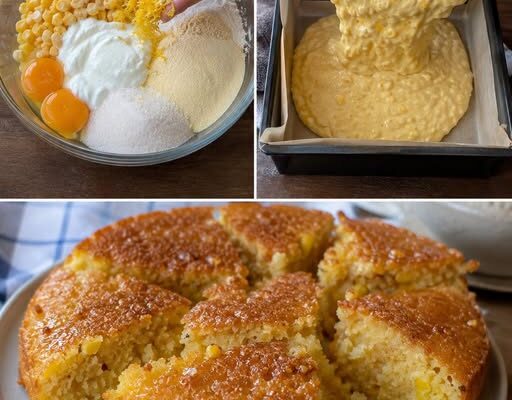
- How to Prepare the Batter
- Step 1: Prepare the Oven
- Step 2: Prepare the Corn
- Step 3: Mix the Dry Ingredients
- Step 4: Combine the Wet Ingredients
- Step 5: Combine Wet and Dry Ingredients
- Step 6: Add the Corn
- Step 7: Transfer to the Pan
- Step 8: Bake
- The Secret to a Moist Snack Cake
- Why Corn Adds Such a Nice Texture
- Adding Cornmeal for More Character
- Butter or Oil?
- Butter
- Neutral Oil
- Using Yogurt or Sour Cream
- Flavor Variations
- Vanilla Corn Cake
- Lemon Corn Cake
- Orange Corn Cake
- Cinnamon Corn Cake
- Coconut Corn Cake
- Honey Corn Cake
- A Lemon and Corn Version
- A Savory-Sweet Variation
- How to Make the Cake More Rustic
- Serving Suggestions
- With Coffee
- With Tea
- With Milk
- With Yogurt
- With Fresh Fruit
- Turning It Into a Breakfast Cake
- How to Keep the Cake Soft
- Can You Freeze Corn Cake?
- How to Reheat It
- Common Mistakes to Avoid
- Overmixing the Batter
- Adding Wet Corn
- Overbaking
- Using Too Much Sugar
- Cutting It Immediately
- How to Tell When It Is Done
- Choosing the Right Baking Pan
- Making Individual Corn Cakes
- Adding Crunch
- A Simple Streusel Topping
- Making It More Fragrant
- A Great Recipe for Beginners
- A Family-Friendly Snack
- Seasonal Serving Ideas
- Frequently Asked Questions
- Can I use frozen corn?
- Can I use canned corn?
- Can I make this recipe with cornmeal?
- Can I reduce the sugar?
- Can I use oil instead of butter?
- Can I use yogurt?
- Why did my cake turn out dry?
- Why is my cake wet in the middle?
- Can I make it gluten-free?
- Can I freeze it?
- Tips for the Best Corn Snack Cake
- Why This Is Such a Comforting Snack
- A Great Way to Use Extra Corn
- A Cake That Does Not Need Frosting
- Final Thoughts
- Wikipedia Links for Common Kitchen Ingredients
- Recommended Recipes
Moist Corn Snack Cake: A Lightly Sweet, Tender Homemade Treat
There is something wonderfully comforting about a simple homemade cake that does not need layers of frosting, elaborate decorations, or complicated techniques to feel special. This moist corn snack cake is exactly that kind of dessert.
Tender, lightly sweet, and dotted with juicy kernels of corn, it offers a delightful combination of soft texture and subtle natural sweetness. Every bite has a pleasant contrast between the delicate cake and little pockets of corn, making it an inviting treat for breakfast, afternoon coffee, a family snack, or a casual dessert.
Unlike rich celebration cakes, this recipe has a wonderfully rustic character. It is easy to prepare, practical enough for everyday baking, and flexible enough to adapt with ingredients you already have in the kitchen.
The corn adds both texture and flavor, while a simple cake batter creates a soft crumb. A touch of vanilla, butter, or citrus zest can make the aroma even more appealing.
If you enjoy homemade baked goods that are uncomplicated but full of comforting flavor, this corn snack cake is worth adding to your recipe collection.
Why You Will Love This Corn Cake
This recipe has many qualities that make it particularly appealing.
First, it is easy.
There is no complicated decorating process, no multi-layer assembly, and no special equipment required.
Second, it has a wonderfully tender texture.
The combination of moist ingredients and carefully mixed flour creates a soft crumb that stays pleasant even after cooling.
Third, the corn provides something unexpected.
Instead of blending completely into the batter, the kernels remain visible and offer little bursts of sweetness in every slice.
Finally, the cake is versatile.
Enjoy it warm from the oven, at room temperature, or lightly chilled. Serve it with tea, coffee, milk, or your favorite hot drink.
Ingredients You Will Need
The basic ingredient list is simple and accessible:
- All-purpose flour
- Corn kernels
- Eggs
- Milk
- Butter or neutral oil
- Sugar
- Baking powder
- Vanilla extract
- A pinch of salt
Depending on the version you prefer, you can also add:
- Cornmeal
- Sour cream
- Plain yogurt
- Honey
- Lemon zest
- Orange zest
- Cinnamon
- Nutmeg
- Grated coconut
- A little powdered sugar for serving
The recipe can be adjusted according to your preferred sweetness and texture.
Fresh, Frozen, or Canned Corn?
One of the advantages of this cake is that several types of corn can work.
Fresh Corn
Fresh kernels cut directly from the cob can provide excellent flavor, particularly during summer.
Frozen Corn
Frozen corn is convenient and can be used throughout the year.
Thaw it first and drain away excess moisture.
Canned Corn
Canned corn is also suitable.
Drain it thoroughly before adding it to the batter.
Because canned corn can contain additional liquid, allowing it to drain for several minutes helps prevent the cake from becoming overly moist.
What Kind of Corn Works Best?
Look for kernels that are naturally sweet and tender.
Very large or mature kernels may have a tougher texture.
If using fresh corn, choose ears that look plump and juicy.
The corn should complement the cake rather than overpower it.
For a more delicate texture, you can chop larger kernels slightly before adding them.
How Sweet Should the Cake Be?
This is intentionally a lightly sweet cake.
The idea is to allow the corn to contribute some of its natural sweetness rather than turning the recipe into an intensely sugary dessert.
However, you can easily adjust the amount of sugar.
If you prefer a more dessert-like cake, increase the sweetness slightly.
If you are serving it for breakfast or as a snack, keeping the sugar moderate creates a pleasant balance.
How to Prepare the Batter
Step 1: Prepare the Oven
Preheat the oven to the temperature specified by your recipe.
Grease a baking pan with butter or oil.
You can also line the bottom with parchment paper to make removing the cake easier.
Step 2: Prepare the Corn
If using canned or thawed frozen corn, drain it thoroughly.
Pat it gently with a clean paper towel if it appears particularly wet.
Set aside.
Step 3: Mix the Dry Ingredients
In a medium bowl, combine the flour, baking powder, and salt.
Whisk briefly to distribute the baking powder evenly.
If using cornmeal, add it now.
Step 4: Combine the Wet Ingredients
In another bowl, whisk the eggs with the sugar.
Add melted butter or oil, milk, and vanilla.
Mix until smooth.
There is no need to whip the mixture extensively.
Step 5: Combine Wet and Dry Ingredients
Gradually add the dry ingredients to the wet mixture.
Stir gently until just combined.
Do not overmix.
The batter should be smooth but not heavily worked.
Step 6: Add the Corn
Fold the corn into the batter using a spatula.
Distribute it evenly without crushing the kernels.
Step 7: Transfer to the Pan
Pour the batter into the prepared baking dish.
Smooth the surface gently.
If desired, scatter a few extra corn kernels over the top.
Step 8: Bake
Place the cake in the preheated oven.
Bake until the surface is lightly golden and a toothpick inserted into the center comes out clean or with a few moist crumbs attached.
Avoid overbaking.
The goal is a moist crumb, not a dry cake.
The Secret to a Moist Snack Cake
The biggest secret is simple: do not overbake it.
Even a perfectly balanced batter can become dry if it stays in the oven too long.
Start checking the cake toward the end of the recommended baking time.
The center should be set but still tender.
A toothpick should not come out covered in raw batter, but it does not need to be completely dry either.
A few moist crumbs are a good sign.
Why Corn Adds Such a Nice Texture
Corn has a unique place in this recipe.
The cake itself is soft and tender, while the kernels provide a little resistance when you bite into them.
This makes the texture much more interesting than an ordinary plain sponge.
The natural sweetness of corn also means the cake does not need to be heavily sweetened.
The result is subtle rather than overwhelming.
Adding Cornmeal for More Character
If you want a more pronounced corn flavor, replace a portion of the regular flour with fine cornmeal.
Cornmeal can give the cake a slightly more rustic texture and stronger grain flavor.
Avoid using an excessive amount if you want to preserve the soft, moist character.
A modest quantity is usually enough to make the difference noticeable.
Butter or Oil?
Both options work well.
Butter
Butter provides a rich flavor and classic homemade aroma.
It can also contribute to a slightly more tender crumb.
Neutral Oil
Oil tends to produce an especially moist cake.
It also keeps the texture soft after the cake cools.
If you want both flavor and moisture, you can use a combination of the two.
Using Yogurt or Sour Cream
A little plain yogurt or sour cream can add moisture and a subtle tang.
This works particularly well if you want a very tender snack cake.
If you add yogurt or sour cream, adjust the amount of milk accordingly so the batter does not become too loose.
Flavor Variations
The basic corn cake is delicious on its own, but it also provides a wonderful base for variations.
Vanilla Corn Cake
Add a little extra vanilla for a warm, classic aroma.
Lemon Corn Cake
Add finely grated lemon zest.
The citrus balances the sweetness and gives the cake a brighter character.
Orange Corn Cake
Orange zest pairs beautifully with the natural sweetness of corn.
Cinnamon Corn Cake
A small amount of cinnamon creates a warmer, cozier flavor.
Coconut Corn Cake
Add shredded coconut for a tropical twist.
Honey Corn Cake
Replace part of the sugar with honey.
Keep in mind that honey adds moisture, so the batter may need a small adjustment.
A Lemon and Corn Version
For a particularly fresh variation, add lemon zest to the batter.
The citrus aroma becomes noticeable as the cake bakes.
You can also prepare a very simple glaze using powdered sugar and a small amount of lemon juice.
Drizzle it over the cooled cake.
The tangy glaze creates a pleasant contrast with the naturally sweet corn.
A Savory-Sweet Variation
If you enjoy unusual combinations, you can make the cake only mildly sweet and add a small amount of cheese.
A little cheddar or Parmesan can create a fascinating balance between sweet and savory.
This version works especially well as an accompaniment to brunch.
The key is moderation.
You want the cheese to complement the corn rather than turn the cake into a completely savory bake.
How to Make the Cake More Rustic
If you prefer a country-style appearance, use a square or rectangular baking dish.
Avoid frosting the cake.
Simply allow the surface to become golden during baking.
Once cooled slightly, cut it into squares.
A light dusting of powdered sugar is enough if you want a decorative finish.
This simple presentation makes it ideal for family gatherings and casual serving.
Serving Suggestions
This snack cake can be enjoyed in many ways.
With Coffee
A slice pairs beautifully with a cup of freshly brewed coffee.
With Tea
Try it with black tea, green tea, or herbal tea.
With Milk
A glass of cold milk creates a nostalgic combination.
With Yogurt
Serve a warm slice with plain or vanilla yogurt.
With Fresh Fruit
Berries, peaches, strawberries, or sliced apples can complement the mild sweetness.
Turning It Into a Breakfast Cake
Because the cake is only lightly sweet, it can easily become part of a relaxed breakfast or brunch.
Serve a small slice with:
- Plain yogurt
- Fresh berries
- Scrambled eggs
- Fruit salad
- Coffee
- Tea
You do not need frosting or heavy toppings.
The cake is designed to be simple and satisfying.
How to Keep the Cake Soft
Once completely cool, store the cake in an airtight container.
Leaving it uncovered for too long can cause the surface to dry out.
If you live in a dry environment, wrapping individual pieces can help preserve their softness.
Avoid refrigerating the cake unless necessary because refrigeration can sometimes make baked goods feel firmer.
If you do refrigerate it, allow the slice to return toward room temperature before serving.
Can You Freeze Corn Cake?
Yes.
Cut the cooled cake into individual portions.
Wrap each piece securely and place them in a freezer-safe container or bag.
This makes it easy to remove one or two portions whenever you want a quick homemade snack.
Thaw at room temperature.
You can also warm individual slices gently in the microwave or oven.
How to Reheat It
A few seconds in the microwave can make the cake feel soft and freshly baked again.
Alternatively, warm slices in a low oven.
If the cake has been stored in the refrigerator, gentle reheating can restore some of its original tenderness.
Avoid heating for too long.
The goal is simply to warm it, not continue baking it.
Common Mistakes to Avoid
Overmixing the Batter
This can develop too much gluten and create a tougher crumb.
Stir only until the flour disappears.
Adding Wet Corn
Excess liquid from the corn can affect the consistency.
Drain thoroughly before adding it.
Overbaking
This is the biggest enemy of a moist cake.
Start checking toward the end of the baking time.
Using Too Much Sugar
The corn contributes natural sweetness, so excessive sugar is unnecessary.
Cutting It Immediately
Allow the cake to cool for a short period before slicing.
This helps the crumb stabilize.
How to Tell When It Is Done
The surface should be lightly golden.
The center should look set rather than wet.
A toothpick inserted into the middle should come out clean or with a few moist crumbs.
If you notice wet batter on the toothpick, continue baking and check again after a few minutes.
Remember that baking times vary according to pan size, oven temperature, and batter depth.
Choosing the Right Baking Pan
A square or rectangular pan works particularly well.
A wider, shallower pan produces a thinner snack cake and generally allows for more even baking.
A deeper pan produces a thicker cake and may require additional time.
Glass and metal pans can behave differently, so keep an eye on the cake toward the end of baking.
Making Individual Corn Cakes
Instead of one large cake, you can divide the batter among muffin cups or small baking molds.
This creates convenient individual portions.
The smaller cakes will bake faster, so begin checking them earlier.
They are especially useful for lunchboxes, picnics, or serving at gatherings.
Adding Crunch
Although the corn already provides texture, you can add additional crunch.
Try sprinkling chopped nuts over the top before baking.
Walnuts, pecans, or almonds can work well.
Seeds such as sunflower or pumpkin seeds can also provide an interesting contrast.
For a sweeter version, a light streusel topping can be added.
A Simple Streusel Topping
Combine a small amount of flour, sugar, butter, and optionally chopped nuts.
Rub the ingredients together until crumbly.
Sprinkle over the batter before baking.
The topping becomes golden and crisp while the cake underneath remains soft.
Because the base is only lightly sweet, the contrast works particularly well.
Making It More Fragrant
A few simple ingredients can transform the aroma.
Try vanilla extract, lemon zest, orange zest, cinnamon, or a small amount of nutmeg.
Freshly grated citrus zest is especially effective because it releases aromatic oils directly into the batter.
Do not use too many flavors at once.
A simple combination usually tastes more balanced.
A Great Recipe for Beginners
This cake is approachable even if you are relatively new to baking.
The batter does not require special techniques.
There is no yeast to activate.
There is no frosting to prepare.
There is no complicated decoration.
Simply combine the ingredients, fold in the corn, transfer the mixture to a pan, and bake.
It is a forgiving recipe that can help build confidence in the kitchen.
A Family-Friendly Snack
The mild flavor makes this cake appealing to many age groups.
The little corn kernels also make it visually interesting.
If you are baking for children, you can make smaller individual cakes and let them choose a topping such as powdered sugar, yogurt, or fresh fruit.
For adults, citrus zest, cinnamon, nuts, or a simple glaze can make the same base feel more sophisticated.
Seasonal Serving Ideas
During summer, serve the cake with fresh berries and peaches.
In autumn, pair it with apples, pears, cinnamon, or warm spices.
During winter, enjoy it with tea, coffee, or hot chocolate.
In spring, fresh strawberries or a light citrus glaze can brighten the plate.
The cake itself is simple enough to adapt throughout the year.
Frequently Asked Questions
Can I use frozen corn?
Yes. Thaw it completely and drain it well before adding it to the batter.
Can I use canned corn?
Yes. Drain it thoroughly.
Can I make this recipe with cornmeal?
Yes. Replace part of the flour with fine cornmeal for a stronger corn flavor and slightly more rustic texture.
Can I reduce the sugar?
Yes. Because the cake is naturally only lightly sweet, you can adjust the amount according to your preference.
Can I use oil instead of butter?
Absolutely. Neutral oil can create an especially moist crumb.
Can I use yogurt?
Yes. Plain yogurt can add moisture and a gentle tang.
Why did my cake turn out dry?
The most common reason is overbaking. Too much flour can also produce a dry texture.
Why is my cake wet in the middle?
Excess moisture from the corn or other ingredients can contribute to this. It may also need additional baking time.
Can I make it gluten-free?
A suitable gluten-free flour blend can be used, although the final texture may differ.
Can I freeze it?
Yes. Cool completely, wrap well, and freeze individual portions.
Tips for the Best Corn Snack Cake
For consistently good results, remember these simple tips:
- Drain corn thoroughly.
- Measure flour accurately.
- Do not overmix the batter.
- Use fresh baking powder.
- Avoid excessive sugar.
- Add flavorings gradually.
- Use a suitable baking pan.
- Watch the cake carefully toward the end.
- Remove it once the center is just set.
- Allow it to cool before slicing.
- Store it in an airtight container.
- Reheat gently when desired.
Why This Is Such a Comforting Snack
There is something nostalgic about a simple cake served without elaborate decoration.
The golden surface.
The soft crumb.
The little pieces of sweet corn.
The warm aroma of vanilla or citrus.
It is the kind of baking that feels homemade in the best possible way.
You can make it on an ordinary afternoon when you want something sweet but not excessively rich.
You can serve it to guests with coffee.
You can pack a slice for a snack.
You can enjoy it for breakfast.
Its simplicity is part of its charm.
A Great Way to Use Extra Corn
If you have leftover corn from another meal, this cake offers an unexpected way to use it.
Instead of reheating the same side dish, turn those kernels into something completely different.
Make sure they are well drained and not heavily seasoned.
Sweet corn from a previous meal can work particularly well.
This approach also makes the recipe practical and economical.
A Cake That Does Not Need Frosting
Some cakes are incomplete without icing.
This one does not need it.
The combination of a moist crumb and juicy corn provides enough interest on its own.
If you want something extra, a simple dusting of powdered sugar is enough.
A light citrus glaze is another option.
Avoid heavy frosting if you want to preserve the cake’s delicate, snack-like character.
Final Thoughts
This moist corn snack cake is a wonderful example of how everyday ingredients can become something warm, comforting, and genuinely delicious.
The cake is lightly sweet rather than overwhelmingly sugary, allowing the natural flavor of the corn to shine. Its soft crumb contrasts beautifully with the juicy kernels scattered throughout, creating a texture that is simple but surprisingly satisfying.
It is easy enough for a casual afternoon bake and versatile enough for breakfast, brunch, dessert, or an everyday snack.
Use fresh corn during the summer, frozen or canned corn when convenient, and experiment with lemon zest, vanilla, cinnamon, coconut, nuts, or a little cheese depending on the mood.
You can serve it plain, dust it with powdered sugar, drizzle it with a simple citrus glaze, or pair it with yogurt and fresh fruit.
Most importantly, keep an eye on the baking time. The secret to that wonderfully moist texture is knowing when to take the cake out of the oven. Once the center is just set and a toothpick comes out with a few moist crumbs, it is ready.
Allow it to cool slightly, cut it into generous squares, and serve it with your favorite drink.
Whether enjoyed warm on a quiet afternoon or shared around the family table, this simple corn cake has all the qualities of a dependable homemade favorite: tender, lightly sweet, comforting, and full of little bursts of juicy corn.
Wikipedia Links for Common Kitchen Ingredients
- Flour – Wikipedia — general information about flour and its uses in cooking and food preparation.
- Wheat flour – Wikipedia — information about wheat flour and its different types.
- Eggs as food – Wikipedia — information about eggs as a food and their uses in cooking.
Recommended Recipes
- Delicious Vegetable Cakes with Carrot and Zucchini – a simple, flavorful and easy vegetable recipe made with carrot, zucchini and egg. Perfect for a quick breakfast, light lunch or tasty snack.
- Yeast-Free Cottage Cheese Buns with Apples – soft and delicious homemade buns made with cottage cheese and fresh apples. A quick and easy breakfast or snack that the whole family will enjoy.