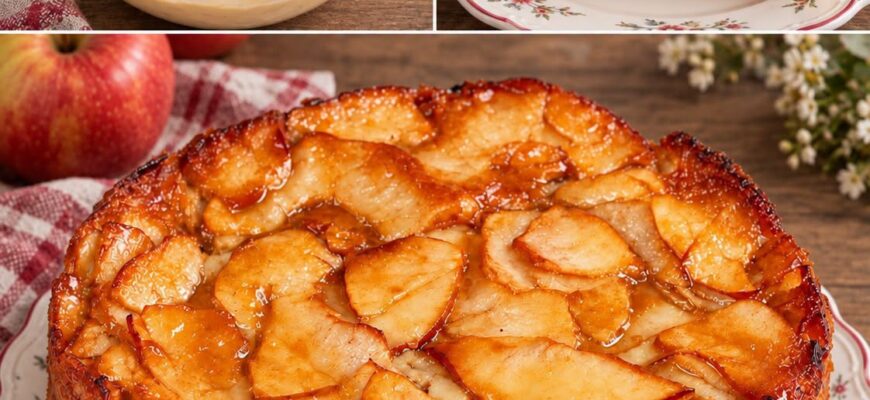

- More Apples Than Batter! A Tender and Fragrant Apple Pie Everyone Wants to Eat Warm
- Why This Apple Pie Is Different
- What makes it so tempting?
- Ingredients for the Apple-Heavy Pie
- For the apple filling
- For the batter
- For finishing
- Choosing the Best Apples
- How to Prepare the Apples
- Add Lemon Juice
- Add Cinnamon and Vanilla
- Preparing the Batter
- The Secret Is in the Batter-to-Apple Ratio
- How to Assemble the Pie
- Bake Until Golden and Tender
- Why You Should Not Overbake It
- The Best Part: Eating It Warm
- A Little Powdered Sugar Goes a Long Way
- What Does This Apple Pie Taste Like?
- Can You Reduce the Sugar?
- Can You Make It Without Butter?
- Add Walnuts for Crunch
- Add Raisins for a Traditional Flavor
- Apple and Lemon Version
- Apple and Cottage Cheese Version
- Caramel Apple Version
- Chocolate Apple Version
- Can You Use Pears Instead?
- Can You Add Berries?
- How to Make the Top Extra Golden
- Why Thin Apple Slices Work Better
- Common Mistakes to Avoid
- Using too little fruit
- Adding too much flour
- Using extremely watery apples
- Cutting the apples too thickly
- Overbaking
- Cutting it immediately
- How to Store Apple Pie
- Can You Freeze Apple Pie?
- The Perfect Afternoon Dessert
- What to Serve With It
- Greek yogurt
- Vanilla ice cream
- Whipped cream
- Caramel sauce
- Fresh berries
- Why This Recipe Is Perfect for Apple Season
- A Great Way to Use Apples That Are Slightly Past Their Prime
- Frequently Asked Questions
- Why does my apple pie contain more apples than batter?
- Can I use fewer apples?
- Can I use more apples?
- Do I have to peel the apples?
- Can I use brown sugar?
- Can I make it with honey?
- Can I make it gluten-free?
- Can I make it dairy-free?
- Can I add nuts?
- Why is the center still moist?
- Can I serve it cold?
- Is it better warm?
- A Simple Apple Pie That Does Not Need Perfect Slices
- Tips for the Best Possible Result
- Final Thoughts
- Wikipedia Links for Common Kitchen Ingredients
- Recommended Recipes
More Apples Than Batter! A Tender and Fragrant Apple Pie Everyone Wants to Eat Warm
There are apple pies that are mostly cake with a few pieces of fruit hidden inside. And then there are apple pies where the apples are the real star.
This is one of those recipes.
There are so many apples in this pie that every slice is filled with tender, juicy fruit, while the batter simply holds everything together. The result is wonderfully moist, fragrant and soft, with a delicate golden crust and a rich apple flavor that becomes even more irresistible when the pie is served warm.
It is the kind of homemade dessert that does not need complicated decoration or an elaborate cream. The aroma coming from the oven does most of the work.
As the apples bake, they become soft and fragrant. Their natural sweetness blends with vanilla, cinnamon and the light cake batter surrounding them. The edges become lightly golden, while the center remains tender and moist.
And there is one particularly tempting moment: taking the first slice while the pie is still warm.
That is when the apple aroma is at its strongest.
If you love easy apple desserts, homemade fruit pies, old-fashioned baking recipes and cakes packed with fresh apples, this recipe deserves a place in your collection.
Why This Apple Pie Is Different
The secret is in the proportions.
Instead of preparing a large quantity of batter and adding a few apples, this recipe uses a generous amount of fruit and just enough batter to bind everything together.
That changes the entire texture.
You do not get a dry piece of cake with occasional apple chunks.
You get a soft, fruit-filled dessert where almost every bite contains tender apple.
The batter is there to create structure, while the apples provide most of the flavor, moisture and natural sweetness.
This also makes the pie feel lighter and more delicate than many traditional apple cakes.
What makes it so tempting?
- There are lots of apples in every slice.
- The batter is light and delicate.
- The apples become soft and aromatic during baking.
- Cinnamon and vanilla complement the fruit beautifully.
- It requires simple ingredients.
- There is no complicated decoration.
- It tastes wonderful both warm and cold.
- The preparation is beginner-friendly.
- It is perfect for breakfast, dessert or afternoon tea.
Ingredients for the Apple-Heavy Pie
For one medium baking pan, approximately 20 × 30 cm, you will need:
For the apple filling
- 6–8 medium apples, approximately 1–1.2 kg
- 1 tablespoon lemon juice
- 1 teaspoon ground cinnamon
- 1 teaspoon vanilla extract
- 1 tablespoon sugar, optional
- 1 tablespoon butter, optional
For the batter
- 3 eggs
- 100–120 g sugar
- 100 ml vegetable oil
- 120 ml milk
- 150 g all-purpose flour
- 1 teaspoon baking powder
- 1 teaspoon vanilla extract
- A pinch of salt
For finishing
- Powdered sugar, optional
- Extra cinnamon, optional
- A few thin apple slices, optional
The recipe can easily be adjusted depending on the sweetness and juiciness of the apples.
If the apples are naturally sweet, you can reduce the amount of sugar.
Choosing the Best Apples
Because this recipe contains a large amount of apples, choosing the right fruit makes a noticeable difference.
Ideally, use apples that are:
- juicy but not excessively watery
- aromatic
- firm enough to hold their shape
- naturally sweet or pleasantly tart
A mixture of sweet and slightly sour apples can create an especially balanced flavor.
Very soft apples can release a lot of moisture during baking.
That does not necessarily ruin the pie, but the center may take longer to set.
For a more pronounced apple flavor, you can combine two different varieties.
The important thing is to avoid apples that have no aroma at all.
Since the fruit is the main ingredient, its flavor matters.
How to Prepare the Apples
Start by washing the apples thoroughly.
Peel them if you prefer a smoother texture.
Remove the cores and seeds.
Now comes the most important part: slicing.
Instead of cutting the apples into very large chunks, slice them into relatively thin pieces.
Thin slices soften beautifully in the oven and distribute more evenly throughout the batter.
You can also cut some apples into thin slices and grate one or two of them.
This creates an interesting texture because the grated apples practically melt into the batter while the sliced apples remain visible.
Add Lemon Juice
Place the prepared apples in a large bowl.
Add the lemon juice and toss gently.
The lemon juice helps prevent the exposed apple surfaces from browning too quickly and also adds a subtle acidity.
That acidity is particularly useful because it balances the sweetness of the cake.
Do not use too much lemon juice.
You want a delicate fresh note rather than a strongly sour apple pie.
Add Cinnamon and Vanilla
Sprinkle the apples with cinnamon.
Add vanilla and mix gently.
This is when the kitchen starts to smell like an apple dessert even before the oven is turned on.
Cinnamon and apples are one of those combinations that almost always work.
If you prefer a more complex flavor, you can add a tiny pinch of nutmeg or ground cloves.
However, cinnamon alone is enough for a classic result.
Preparing the Batter
Once the apples are ready, prepare the batter.
Crack the eggs into a large mixing bowl.
Add the sugar and whisk until the mixture becomes lighter and slightly fluffy.
There is no need to whip the eggs for a long time.
The goal is simply to create a smooth mixture.
Add the vegetable oil, milk and vanilla.
Mix until combined.
In a separate bowl, combine the flour, baking powder and salt.
Gradually add the dry ingredients to the wet mixture.
Stir just until the flour disappears.
Do not overmix.
The batter should be relatively thin compared with traditional cake batter.
That is intentional.
You do not need a thick layer of batter because the apples are supposed to dominate the dessert.
The Secret Is in the Batter-to-Apple Ratio
This is the most important characteristic of the recipe.
If you look at the prepared batter, you might initially think that there is not enough.
Do not worry.
There should be just enough batter to coat and hold the apples.
The final pie will look completely different after baking.
The apples release moisture and soften.
The batter expands slightly around them.
Together they create a moist, tender structure.
Adding significantly more flour simply because the batter appears thin can make the finished dessert heavier and less fruit-forward.
Remember:
This is an apple pie with a little batter, not a cake with a few apples.
How to Assemble the Pie
Preheat the oven to approximately 175–180°C / 350°F.
Line your baking pan with parchment paper.
Place a layer of apples into the pan.
Pour a little batter over them.
Add another layer of apples.
Continue alternating until all the apples and batter have been used.
You do not need perfectly defined layers.
The goal is simply to distribute the batter evenly throughout the fruit.
Gently shake the pan or tap it lightly on the counter to help the batter settle between the apple slices.
Do not press the apples down too aggressively.
Bake Until Golden and Tender
Place the pan in the preheated oven.
Bake for approximately 40–50 minutes, depending on the depth of your pan and the amount of moisture in the apples.
The top should become golden.
The edges should look set.
The center should no longer appear liquid.
A wooden skewer inserted into a section containing batter should come out without raw mixture attached.
Because there are so many apples, you may see some moisture around the fruit.
That is normal.
The important thing is that the batter has set.
Why You Should Not Overbake It
Apple desserts are particularly easy to overbake.
Once the batter has set and the top has turned golden, there is usually no advantage to leaving the pie in the oven for a long time.
Overbaking can cause the outer parts to become dry while the apples continue cooking.
The beauty of this dessert is its contrast:
golden edges, soft apples and a tender center.
Keep that in mind when deciding when to remove it from the oven.
The Best Part: Eating It Warm
This pie is delicious after it has cooled completely.
But if you want the full experience, serve it slightly warm.
Not burning hot.
Just warm enough for the apple aroma to fill the kitchen.
The apples are soft.
The cinnamon smells stronger.
The center feels incredibly tender.
And the first slice may be difficult to resist.
That is why this type of pie often disappears from the table before it has had enough time to cool.
A Little Powdered Sugar Goes a Long Way
You do not need frosting.
Once the pie has cooled slightly, sprinkle the top with a small amount of powdered sugar.
It creates a simple contrast against the golden surface.
You can also add a very light dusting of cinnamon.
If you are serving the pie for guests, arrange the slices on a platter and add a few thin fresh apple slices around them.
Simple presentation is often enough.
What Does This Apple Pie Taste Like?
The flavor is primarily apple.
That may sound obvious, but the high fruit-to-batter ratio makes a significant difference.
Instead of tasting like vanilla cake with apples, it tastes like baked apples wrapped in a delicate cake layer.
The apples become softer and sweeter as they bake.
Cinnamon adds warmth.
Vanilla rounds everything out.
The result is comforting without being excessively rich.
That makes it particularly appealing after a meal when you want a dessert that feels homemade rather than heavy.
Can You Reduce the Sugar?
Yes.
If you use naturally sweet apples, you can reduce the sugar in the batter.
You can even serve the finished pie without powdered sugar.
The apples contribute their own natural sweetness, especially after baking.
If you prefer a more tart dessert, use a mixture of sweet and sour apples and keep the sugar moderate.
Can You Make It Without Butter?
Yes.
The basic batter uses vegetable oil, so there is no need for butter.
The optional butter added to the apples simply creates a richer flavor.
You can omit it completely.
This is one of the reasons the recipe is convenient: you can prepare it with basic pantry ingredients without needing to buy special products.
Add Walnuts for Crunch
If you enjoy texture, walnuts are an excellent addition.
Roughly chop a small handful and sprinkle them between the apple layers.
Do not add too many.
The apples should remain the main ingredient.
Walnuts bring a pleasant crunch and a slightly earthy flavor that works particularly well with cinnamon.
You can also use pecans, hazelnuts or almonds.
Add Raisins for a Traditional Flavor
Raisins are another classic addition.
Soak them briefly in warm water before using them.
Drain and dry them well.
Then distribute them among the apples.
The raisins become plump and sweet during baking.
Combined with apples and cinnamon, they create a very traditional homemade dessert flavor.
Apple and Lemon Version
If you prefer a fresher flavor, increase the lemon element slightly.
Add finely grated lemon zest to the batter.
The citrus aroma makes the cake taste lighter and brighter.
Apple, lemon and vanilla create a particularly pleasant combination.
You can also use orange zest for a warmer, sweeter citrus aroma.
Apple and Cottage Cheese Version
For a more substantial dessert, add small spoonfuls of sweetened cottage cheese between the apple layers.
The creamy dairy filling contrasts beautifully with the baked fruit.
This turns the simple apple pie into something closer to a fruit-and-cheese dessert.
Use a reasonably dry cottage cheese so that the additional moisture does not make the center too wet.
Caramel Apple Version
If you want a more indulgent variation, lightly caramelize some of the apples before assembling the pie.
Melt a small amount of butter in a skillet.
Add sliced apples and cook briefly.
Sprinkle with a little sugar and cinnamon.
Cook until the apples begin to soften and develop a golden appearance.
Allow them to cool slightly before using them in the cake.
The flavor becomes deeper and more dessert-like.
Chocolate Apple Version
Chocolate and apples can work surprisingly well together.
Add one or two tablespoons of unsweetened cocoa powder to the batter.
Because cocoa absorbs moisture, you may need to add a small splash of milk.
You can also add a handful of dark chocolate pieces.
The resulting dessert has a richer flavor while still allowing the apples to remain noticeable.
Can You Use Pears Instead?
Yes.
Pears can replace some of the apples.
They are naturally sweet and become beautifully soft when baked.
A mixture of apples and pears creates a delicate flavor and slightly different texture.
For a particularly aromatic version, add vanilla and a small amount of cinnamon.
Can You Add Berries?
Yes, although berries should be used moderately.
Raspberries, blueberries or blackberries can be scattered between the apple layers.
Because berries contain additional moisture, avoid adding too many.
A small handful is enough to create colorful bursts of flavor.
How to Make the Top Extra Golden
If you want a more attractive golden surface, you can lightly brush the top with a little milk before baking.
Another option is to sprinkle a small amount of sugar over the surface.
This creates a delicate crust.
However, neither is essential.
The natural browning from the eggs and batter is enough to produce an appetizing finish.
Why Thin Apple Slices Work Better
Thin slices soften more evenly than thick chunks.
They also make it easier to distribute the apples throughout the pie.
If the pieces are too large, the batter may not surround them properly.
Very thin slices, on the other hand, can almost disappear into the cake.
A medium thickness is ideal.
You want the apples to remain recognizable while becoming soft enough to cut easily with a fork.
Common Mistakes to Avoid
Using too little fruit
The entire character of this recipe depends on having lots of apples.
Do not reduce the fruit dramatically.
Adding too much flour
A thick batter is not necessary.
Too much flour will turn the dessert into a conventional cake.
Using extremely watery apples
Very juicy apples can release a lot of liquid.
If necessary, gently drain some of the excess moisture.
Cutting the apples too thickly
Large chunks may remain firm in the center.
Overbaking
The pie should remain tender.
Cutting it immediately
Allow it to rest for at least 10–15 minutes after baking.
This makes slicing much easier.
How to Store Apple Pie
If you have leftovers, allow the pie to cool completely before storing it.
Place it in an airtight container or cover the baking dish.
Because of the large amount of fresh fruit, refrigeration is a good option, particularly if your kitchen is warm.
The pie can be gently reheated before serving.
A few seconds in the microwave can restore some of the warmth and softness.
Can You Freeze Apple Pie?
Yes, although the texture of the apples may become slightly softer after freezing and thawing.
If you plan to freeze it, allow the pie to cool completely.
Cut it into portions.
Wrap the portions well and place them in a freezer-safe container.
Thaw in the refrigerator.
Warm individual slices gently before serving.
The Perfect Afternoon Dessert
Imagine a plate with a warm slice of apple pie, a cup of tea and the smell of cinnamon still lingering in the kitchen.
That is where this recipe really shines.
It does not need a special occasion.
You can make it on an ordinary weekday.
You can serve it after lunch.
You can pack a slice for a family snack.
You can prepare it for Sunday coffee.
Simple desserts like this often become the recipes families return to most often because there is no reason to wait for a holiday.
What to Serve With It
The pie is delicious on its own, but there are several easy accompaniments.
Greek yogurt
The slight tanginess of yogurt balances the sweetness of baked apples.
Vanilla ice cream
For a more indulgent dessert, serve a warm slice with a scoop of vanilla ice cream.
The contrast between warm pie and cold ice cream is irresistible.
Whipped cream
A small spoonful of lightly whipped cream works beautifully.
Caramel sauce
For special occasions, drizzle a little caramel sauce over the top.
Fresh berries
Raspberries and blueberries add freshness and color.
Why This Recipe Is Perfect for Apple Season
When autumn arrives, apples become one of the most useful ingredients in the kitchen.
There are pies, cakes, pancakes, muffins, compotes and pastries.
But recipes where apples are used generously are especially useful when you have a large basket of fruit to use.
This pie can accommodate a surprisingly large amount of apples.
Instead of wondering what to do with them, simply slice them and turn them into a warm homemade dessert.
A Great Way to Use Apples That Are Slightly Past Their Prime
Not every apple has to be perfectly crisp to become a delicious dessert.
Apples that are slightly softer can still work beautifully in baking.
In fact, softer apples can break down more quickly and become almost jam-like in certain parts of the pie.
However, avoid fruit that is spoiled, moldy or fermented.
Use only apples that are still suitable for eating.
Frequently Asked Questions
Why does my apple pie contain more apples than batter?
That is intentional. This recipe is designed around a high apple-to-batter ratio. The batter acts mainly as a light structure that holds the fruit together.
Can I use fewer apples?
Yes, but the final dessert will be more cake-like.
Can I use more apples?
You can, but there needs to be enough batter to bind them. If you dramatically increase the amount of fruit, use a larger pan or adjust the batter accordingly.
Do I have to peel the apples?
No. Thin apple skins can be left on if you enjoy their texture.
Can I use brown sugar?
Yes. Brown sugar will add a slightly deeper caramel-like flavor.
Can I make it with honey?
Honey can be used as a sweetener, but it changes the liquid balance. Use it moderately and adjust the other liquids if necessary.
Can I make it gluten-free?
Yes, provided you use certified gluten-free oat flour or another gluten-free flour suitable for baking.
Can I make it dairy-free?
Yes. Use a plant-based milk alternative.
Can I add nuts?
Absolutely. Walnuts, pecans, almonds and hazelnuts are all good choices.
Why is the center still moist?
Because there are many apples. Some moisture is expected. If the batter itself is still raw, continue baking until it sets.
Can I serve it cold?
Yes. Once chilled, the pie becomes firmer and easier to slice.
Is it better warm?
Many people prefer it warm because the apple aroma is stronger and the texture is softer, but it is delicious at room temperature as well.
A Simple Apple Pie That Does Not Need Perfect Slices
One of the wonderful things about homemade fruit desserts is that they do not need to look like professional pastry-shop creations.
Maybe one side rises slightly higher.
Maybe a few apple pieces become darker.
Maybe the powdered sugar is uneven.
None of that matters.
The moment you cut into the pie and see the layers of tender apple inside, the homemade character becomes part of its appeal.
This is not a dessert designed to look artificial.
It is designed to smell wonderful, taste comforting and disappear quickly from the table.
Tips for the Best Possible Result
For a particularly successful apple pie, remember these simple rules:
Use plenty of apples.
They are the heart of the recipe.
Choose aromatic fruit.
The better the apples taste, the better the pie will taste.
Keep the batter relatively light.
You need just enough to bind the fruit.
Do not overmix.
Mix the flour in gently.
Bake at a moderate temperature.
This allows the apples to soften while the batter cooks evenly.
Let the pie rest before slicing.
It will hold together better.
Serve slightly warm.
That is when the aroma is at its best.
Final Thoughts
Some desserts impress because they are complicated.
Others become unforgettable because they are simple.
This apple-heavy homemade pie belongs firmly in the second category.
It is packed with apples, surrounded by just enough soft batter to hold everything together, and flavored with familiar ingredients such as cinnamon and vanilla.
The result is tender, fragrant and comforting.
There is no complicated cream to prepare.
There is no special decoration.
There is no need for professional baking equipment.
Just apples, a simple batter and enough time in the oven to transform them into something wonderfully soft and aromatic.
And perhaps the greatest compliment a homemade dessert can receive is not a perfect photograph or an elaborate presentation.
It is when everyone starts asking:
“Can I have another slice?”
Serve this apple pie warm, dust it lightly with powdered sugar and watch how quickly it disappears from the table.
Because when a dessert contains more apples than batter, every bite tastes like the fruit was meant to be the star all along.
Wikipedia Links for Common Kitchen Ingredients
- Flour – Wikipedia — general information about flour and its uses in cooking and food preparation.
- Wheat flour – Wikipedia — information about wheat flour and its different types.
- Eggs as food – Wikipedia — information about eggs as a food and their uses in cooking.
Recommended Recipes
- Delicious Vegetable Cakes with Carrot and Zucchini – a simple, flavorful and easy vegetable recipe made with carrot, zucchini and egg. Perfect for a quick breakfast, light lunch or tasty snack.
- Yeast-Free Cottage Cheese Buns with Apples – soft and delicious homemade buns made with cottage cheese and fresh apples. A quick and easy breakfast or snack that the whole family will enjoy.